3D Printing in Industrial Scale Model Making: When Is It Enough?
September 30, 2026
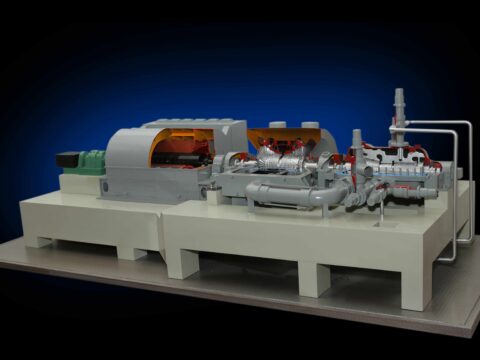
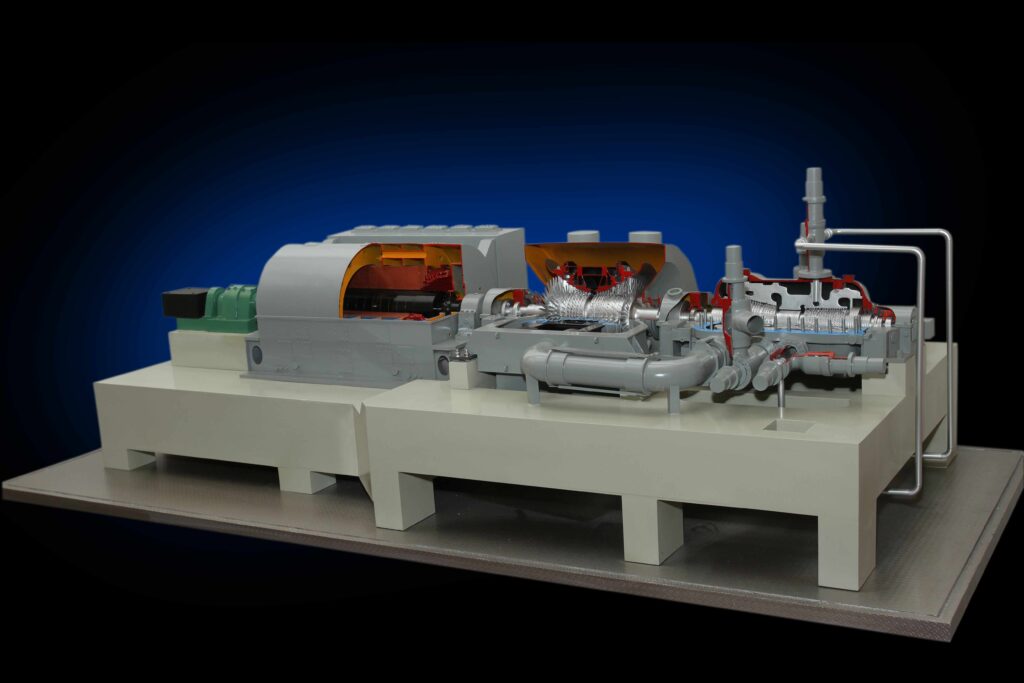
Cutaway and Sectional Models: Making Hidden Engineering Details Visible
October 15, 2026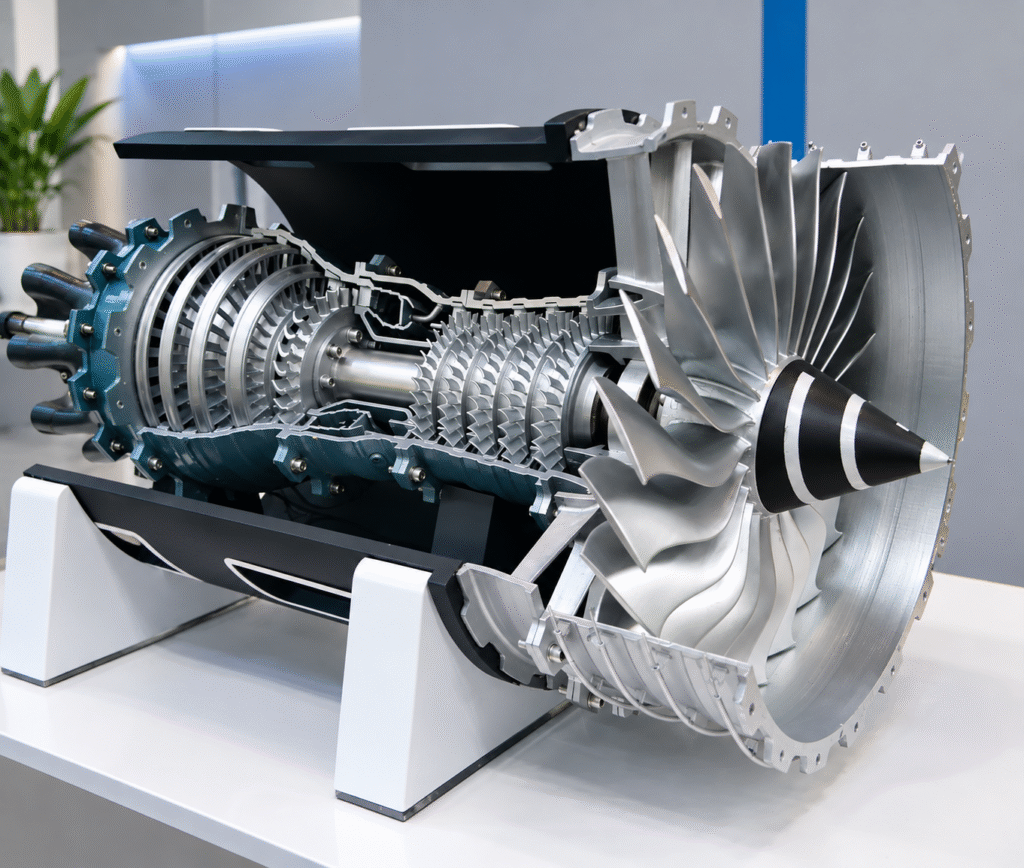
Static vs Working Industrial Models: Which One Is Right for Your Project?
When planning an industrial scale model, one of the first decisions is whether the model should be static or working.
The choice depends mainly on what you want the model to communicate.
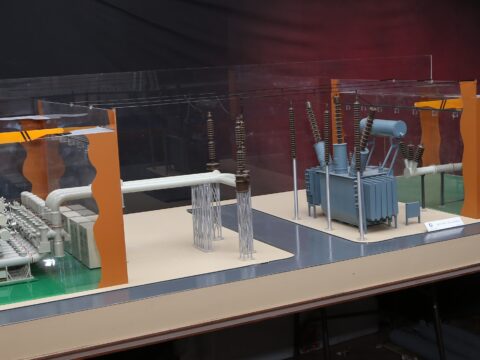
A static model can clearly show the layout, equipment and overall appearance of a plant or facility. A working model goes a step further by using movement, lighting or other features to demonstrate how a process works.
What Is a Static Industrial Model?
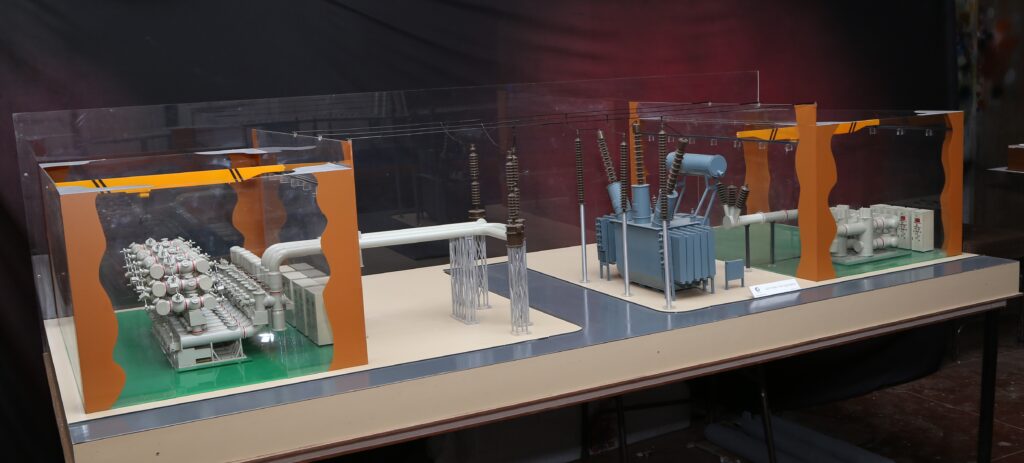
A static model is designed to show the physical arrangement and details of a project without moving or interactive components.
It can represent:
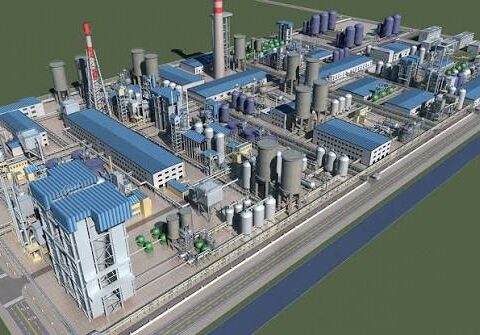
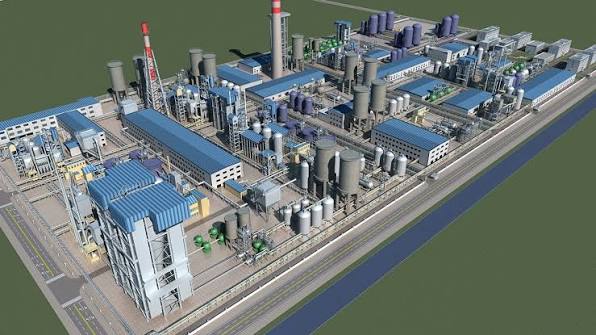
- Factory and plant layouts
- Equipment and machinery
- Buildings and structures
- Piping
- Platforms and walkways
- Roads and surrounding areas
Static models are often used for client presentations, exhibitions, project reviews and visual communication.
They are particularly useful when the main objective is to understand where everything is located and how the different parts relate to each other.
What Makes an Industrial Model a Working Model?
A working model adds features that help demonstrate a process or operation.
This doesn’t necessarily mean that every part has to physically move.
Depending on the project, a working model may include:
- Motorised moving components
- Rotating equipment
- Moving conveyors or mechanisms
- LED lighting
- Flow indication
- Interactive controls
- Electrical or electronic components
The features are selected according to what the model needs to demonstrate.
Showing Flow in Piping Models
One of the most useful applications of a working industrial model is showing flow through piping.
Looking at a complex piping system in a static model can tell you where the pipes go, but it may not immediately explain which direction the process is moving.
LEDs can be integrated into the piping or selected points of the model to indicate the movement or direction of a particular process.
Different colours can also be used to distinguish systems or types of flow, based on client requirements, project specifications and applicable standards.
This makes a complicated piping arrangement much easier to understand during a presentation or training session.
Does a Working Model Always Need Moving Parts?
Not at all.
Sometimes, movement is not the most effective way to explain a process.
For example, if the main purpose is to show fluid flow, process sequence or system identification, strategically placed LED lighting may communicate the idea more clearly than physically moving components.
The objective is not to add technology simply because it is possible.
The technology should help people understand the model.
Which One Should You Choose?
A static model may be the better choice when you want to focus on:
- Overall layout
- Equipment arrangement
- Architectural or structural details
- Presentation and display
- Large-area master planning
A working model can be more suitable when you need to demonstrate:
- Process flow
- Movement
- Equipment operation
- Piping systems
- Training concepts
- Interactive demonstrations
Sometimes, the best solution is a combination of both — a detailed static model with selected working or illuminated features.
The Right Features Make the Difference
A working industrial model does not have to be complicated.
The best models use features that have a clear purpose. A simple LED flow indication can sometimes communicate more effectively than adding unnecessary moving mechanisms.
At DAGART Solutions, we look at the purpose of the model first and then determine whether static detailing, movement, lighting or a combination of features will communicate the project most effectively.
Because a good industrial model should not just show what the project looks like — when required, it should also help people understand how the project works.