From 3D CAD Model to Physical Scale Model: What Does a Model Maker Need?
September 26, 2026
Static vs Working Industrial Models: Which One Is Right for Your Project?
October 8, 2026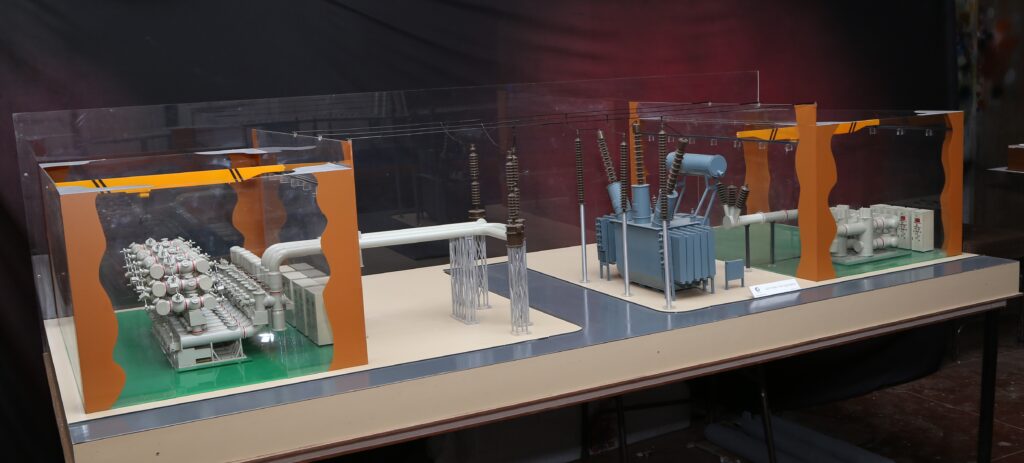
3D printing has become an important part of modern scale model making.
Today, many model components can be designed digitally and produced directly using a 3D printer. For some projects, an entire model can even be made almost completely through 3D printing.
So, does every industrial scale model need other manufacturing methods?
Not necessarily.
The right approach depends on the model’s size, scale, geometry, materials, level of detail and purpose.
The important question is not simply “Can we 3D print it?”
It is:
“What is the most suitable way to build this particular model?”
When 3D Printing Can Be Enough
3D printing can work extremely well when a model has mainly complex 3D shapes and the overall size is suitable for the printing process.
For example, it can be useful for:
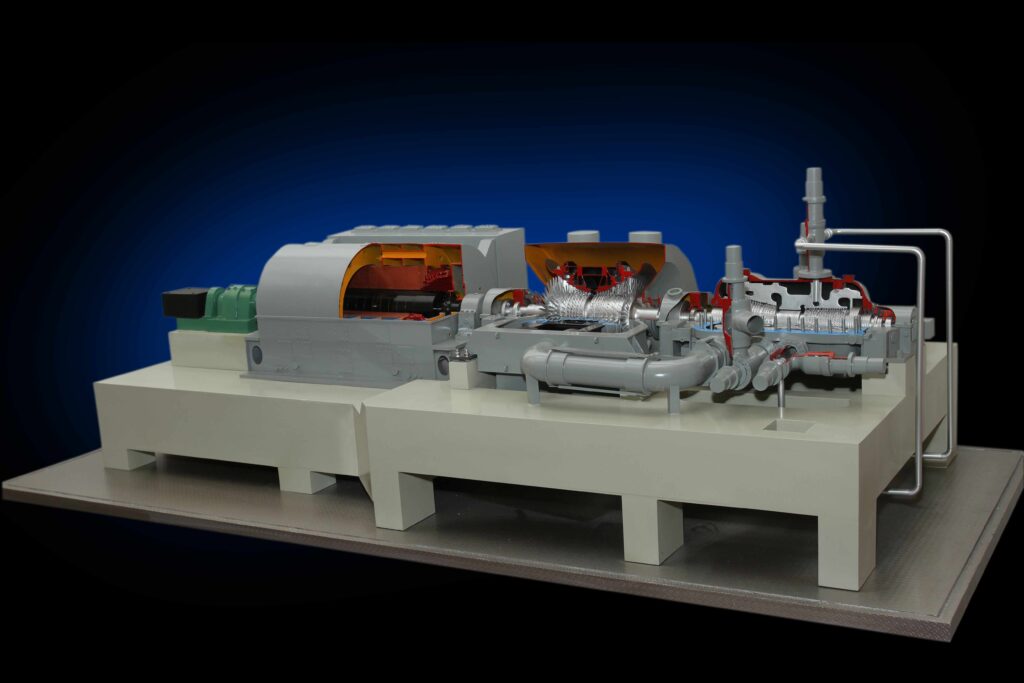
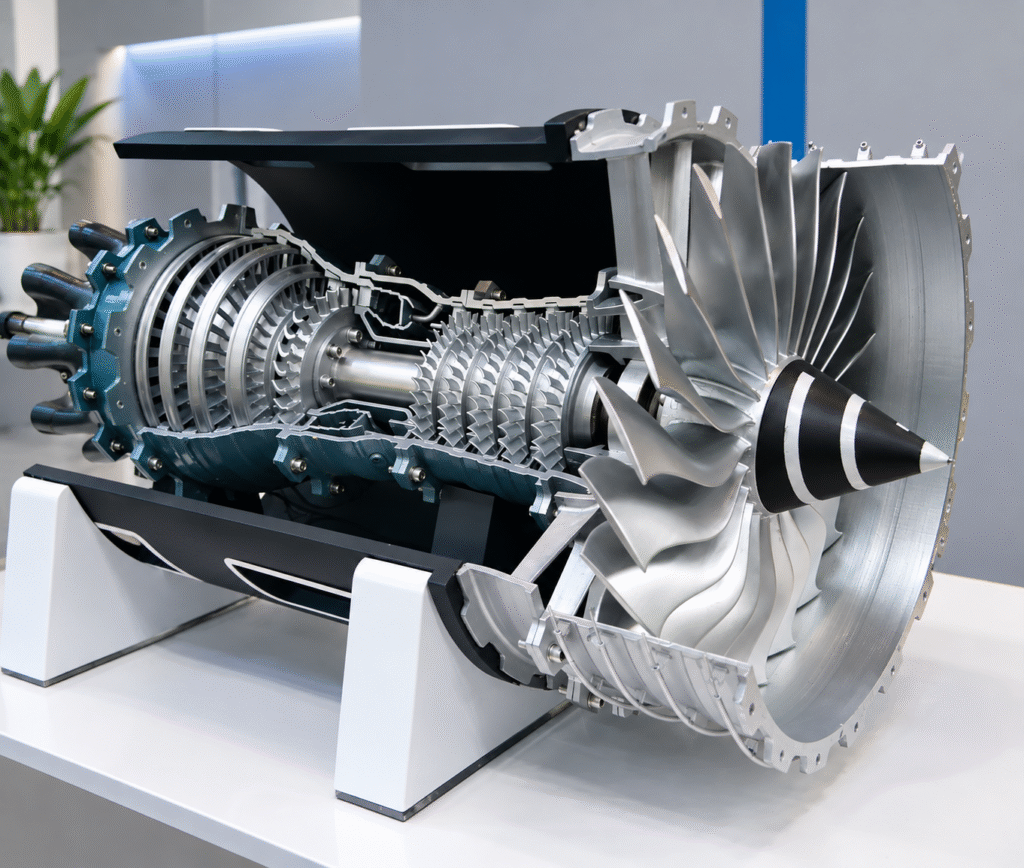
- Equipment models
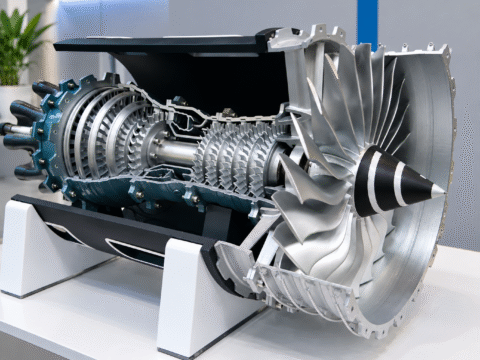
- Machinery components
- Product models
- Engineering prototypes
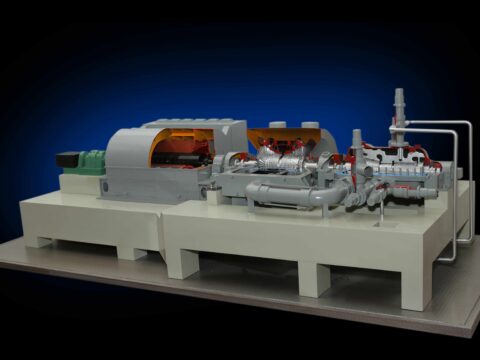
- Small-scale industrial models
- Complex fittings and components
If the geometry, material and required finish are suitable, a model can be designed, printed, finished and assembled using a workflow centred around 3D printing.
So, 3D printing can absolutely be a complete solution for certain models.
When Other Methods Can Help
Industrial models can also become much more complex.
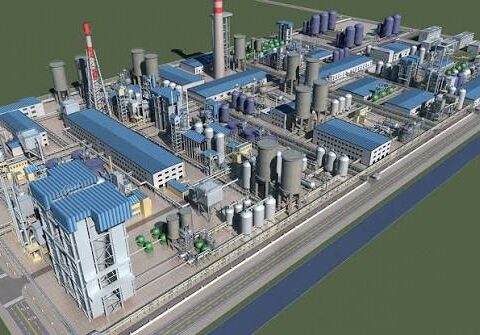
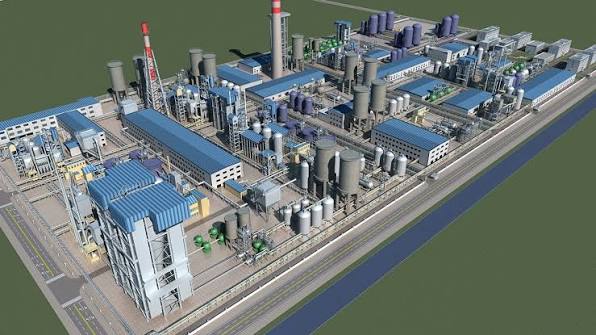
A large plant or factory model may include equipment, piping, platforms, buildings, structural elements, roads, foundations and many other details.
Not all of these components have the same manufacturing requirements.
For example:
3D printing may be suitable for complex equipment and detailed components.
Laser cutting may be practical for certain flat panels, platforms or structural elements.
Manual fabrication can be useful for fine piping, supports and small details.
Other machining or fabrication methods may be appropriate for specific components.
The point is not that one method is better than another.
It is about choosing the right method for the right part of the model.
Scale Makes a Big Difference
The selected scale can also change the manufacturing approach.
A component that is easy to reproduce at 1:20 may become extremely small at 1:100 or 1:200.
At smaller scales, details such as:
- Pipe diameter
- Flanges
- Valves
- Supports
- Gaps
- Connections
can become difficult to reproduce while keeping the model strong and visually clear.
This is why model making is not simply about reducing the dimensions of a digital design.
The model maker also has to consider what can realistically be manufactured and clearly represented at the selected scale.
What About Large Industrial Models?
The size of the complete model is another consideration.
A large model may contain sections that are too large or impractical to produce as a single printed piece.
Instead, it may be divided into smaller components and combined with fabricated or cut elements.
This can make transportation, assembly and maintenance easier as well.
The manufacturing method should therefore be considered along with the final size and installation requirements.
Finishing Still Matters
Even when a model is completely 3D printed, printing is usually not necessarily the final step.
Depending on the required finish, components may need:
Support removal → sanding → filling → priming → painting → detailing → assembly
For some models, the natural 3D-printed finish may be perfectly acceptable.
For a high-detail presentation model, additional finishing may be important.
The required finish should always match the purpose of the model.
Engineering Data Also Matters
Industrial scale models are increasingly developed from 3D engineering data such as CAD, Plant 3D, Navisworks or CATIA.
But converting engineering data into a physical model involves more than simply pressing “print.”
The model maker needs to consider:
- Scale
- Geometry
- Component positioning
- Piping routes
- Levels and elevations
- Required detail
- Assembly
- Physical limitations
Some digital details may need to be simplified at a smaller scale so that the physical model remains practical and understandable.
3D Printing and Traditional Model Making Can Work Together
Modern model making does not have to be a choice between technology and craftsmanship.
In many projects, they complement each other.
A typical workflow might look like:
Engineering Data → Scale & Detail Assessment → 3D Printing / Fabrication → Finishing → Painting → Assembly → Quality Check
The exact process can change from one project to another.
And that’s perfectly normal.
The Real Question: What Does This Model Need?
Before deciding how a model should be manufactured, it helps to understand:
- What is the purpose of the model?
- What scale is required?
- How large will it be?
- What level of detail is important?
- What materials are required?
- What finish is expected?
- Will it need to be transported or installed?
Once these questions are clear, the appropriate manufacturing approach becomes much easier to determine.
Final Thought
3D printing has made scale model making faster, more flexible and capable of producing highly detailed components.
And for some projects, 3D printing can be enough to produce the complete model.
For other industrial models, combining 3D printing with fabrication, laser cutting, hand detailing and finishing may be more practical.
There is no single manufacturing method that fits every project.
At DAGART Solutions, we look at the model requirements first and then determine where 3D printing, fabrication and craftsmanship can each add value.
Because the goal is not simply to print a model.
The goal is to build the right physical representation of the project.
DAGART Solutions – Turning Ideas into Reality with Precision.