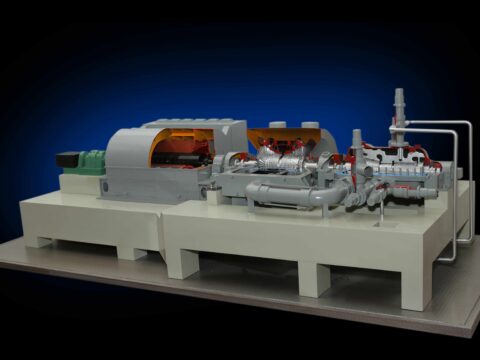
Why Colors Matter in Industrial Scale Models | DAGART Solutions
September 10, 2026
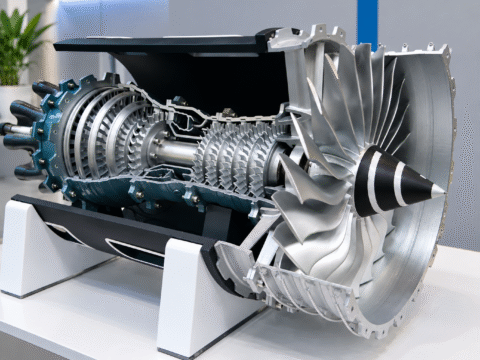
3D Printing in Industrial Scale Model Making: When Is It Enough?
September 30, 2026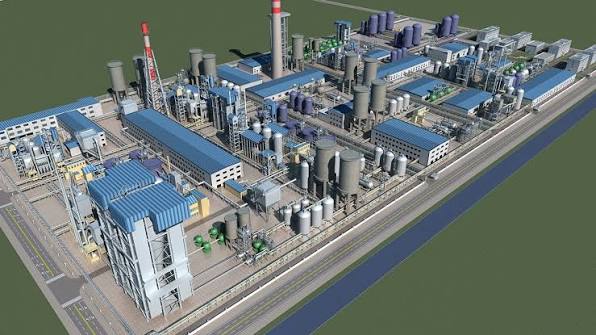
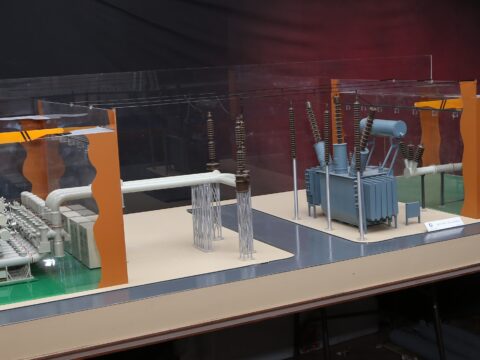
From 3D CAD Model to Physical Scale Model | DAGART Solutions
The way industrial scale models are made has changed over the years.
Earlier, when a client approached a model maker, it was common to receive 2D drawings, layouts and engineering drawings. Today, that’s not always the case.
In many industrial projects, the client simply shares a 3D engineering model.
It could be created in Navisworks, CATIA, Plant 3D or another CAD, BIM or engineering platform.
And then the question comes to us:
“Can you make the physical model from this 3D file?”
In many cases, yes. But the 3D file is only the beginning.
The 3D Model Becomes Our Main Reference
A good 3D engineering model can contain a lot of useful information.
Instead of working from several separate 2D drawings, we can study the digital model to understand:
- Overall plant or factory layout
- Equipment location and dimensions
- Piping arrangement
- Structures and platforms
- Buildings and major components
- Relative position of different systems
From this information, we can start planning how the physical model should be built.
What Information Do We Still Need?
Even when a detailed 3D model is available, there are some things that the digital file may not tell us.
For example:
1. What scale is required?
The client may already have a specific requirement such as 1:50, 1:100 or 1:200.
If there is no fixed scale, we need to consider the project size, available display space and required level of detail before suggesting one.
2. What is the purpose of the model?
Is it for a client presentation?
An exhibition?
Training?
A technical demonstration?
A working model?
The purpose makes a difference to the way we approach the model.
3. What level of detail is expected?
A client may want to show the complete plant layout, while another may want detailed equipment, piping, platforms and small components.
The goal is not always to reproduce every single detail.
The goal is to reproduce the right details for the purpose of the model.
4. What about colours?
The 3D model may not provide the final colour requirements for the physical model.
We may need client specifications, colour references or project requirements for equipment, piping, buildings and different systems.
5. Are there any working features?
If the model needs LED lighting, moving equipment, rotating parts or other working features, we need to know this before production starts.
These requirements can affect the design and construction of the model.
What If There Are No 2D Drawings?
This is becoming increasingly common.
If the client has a suitable 3D engineering model, it can often be used as the primary reference for developing the physical scale model.
However, there may still be questions that need to be clarified with the client.
For example:
Which areas are important? What should be shown? What scale should be used? Which systems need colour coding? Does the model need lighting? Where will it be displayed?
A short discussion at the beginning can save a lot of confusion later.
From Digital Data to a Physical Model
There is more to the process than simply converting a computer model into a miniature.
The digital model needs to be understood, measured, scaled and interpreted for physical construction.
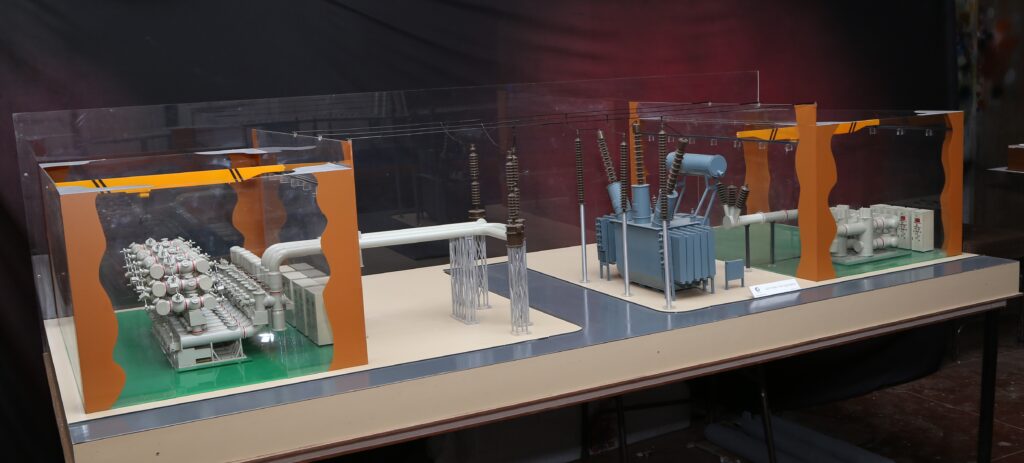
Some components may need to be 3D printed. Others may be fabricated using different materials and techniques. Piping, structures, equipment, buildings and smaller details may all require different approaches.
This is where engineering understanding and practical model-making experience come together.
The Digital Model Is the Starting Point
Today, a 3D engineering model can give a model maker a very strong starting point.
But a successful physical model also depends on understanding why the model is being made and what the client wants people to see and understand from it.
At DAGART Solutions, we work with client-provided engineering and 3D models to develop physical industrial scale models based on the required scale, detail and purpose.
Because at the end of the process, the objective is simple:
Take a complex digital project and make it easier to see, understand and explain in the real world.