
From Pipes to Processes: How Detailing Makes Plant Layout Models Effective
October 20, 2025
How 3D Printing Transformed Product Miniature Model Making
November 6, 2025
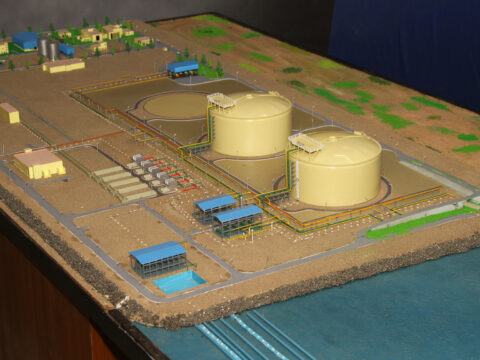
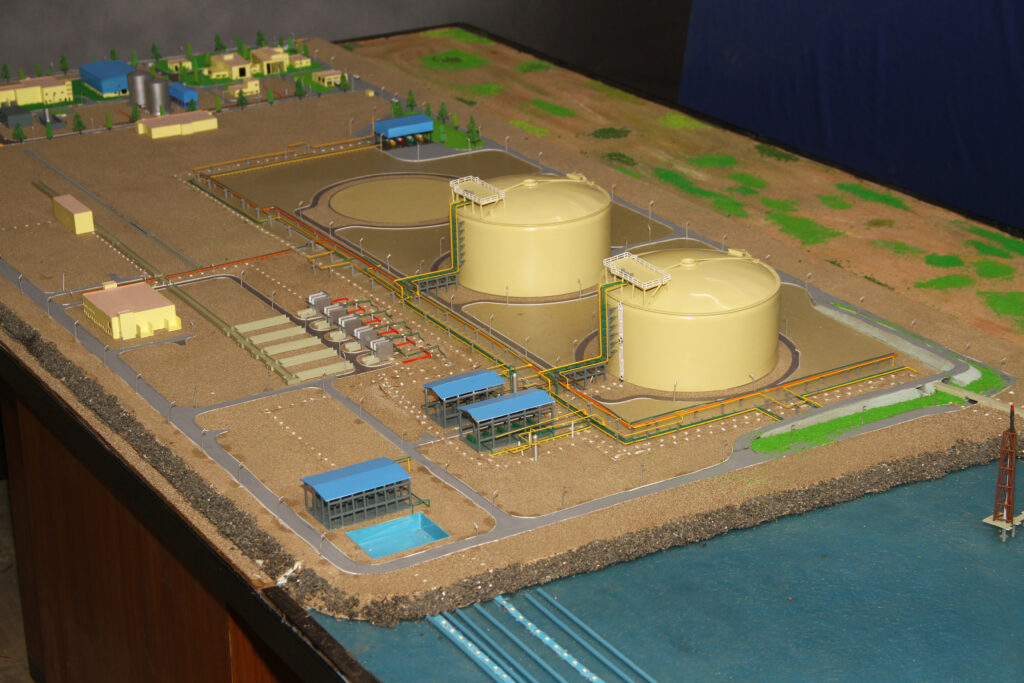
In today’s fast-paced world of urban planning, architecture, and infrastructure development, 3D physical model making has become an essential tool for communication, visualization, and decision-making. From regulatory approvals to stakeholder engagement, these tangible models help bridge the gap between complex designs and real-world understanding.
Whether you’re working on a city master plan, a commercial development, or a transport infrastructure project, a well-crafted 3D physical model can make all the difference in gaining approval, support, and trust.
1. Enhancing Regulatory Approvals
Regulatory bodies often need to assess the visual, environmental, and spatial impact of proposed developments. Traditional 2D drawings or digital renders can sometimes fail to convey the full picture.
A 3D physical model allows regulators to:
• Visualize scale, height, and context accurately
• Understand the project’s relationship with surrounding areas
• Identify potential issues early in the review process
• Speed up decision-making with clearer insights
In short, 3D models make it easier for authorities to approve projects confidently because they can see exactly what’s being proposed.
2. Engaging the Public Effectively
Public consultation and community engagement are critical for any major project. However, technical drawings can be overwhelming for non-experts. 3D physical models transform this challenge by offering a hands-on, immersive experience that:
Benefits of 3D Physical Models in Public Engagement
- Help the public visualize future developments
- Encourage open discussions and feedback
- Build transparency and trust with communities
- Make complex designs accessible and easy to understand
When people can see and touch a model, they feel more connected to the project—leading to stronger public support and fewer objections.
3. Securing Stakeholder Buy-In
Investors, developers, and key stakeholders often rely on visual tools to assess project feasibility and impact. A 3D scale model acts as a persuasive presentation tool that:
How 3D Models Support Stakeholder Decisions
- Demonstrate design intent and vision clearly
- Highlight key project features and benefits
- Create excitement and confidence among decision-makers
- Strengthen collaboration and alignment across teams
By offering a realistic representation of the final outcome, stakeholders can make faster, more informed decisions.
4. Bridging the Gap Between Design and Reality
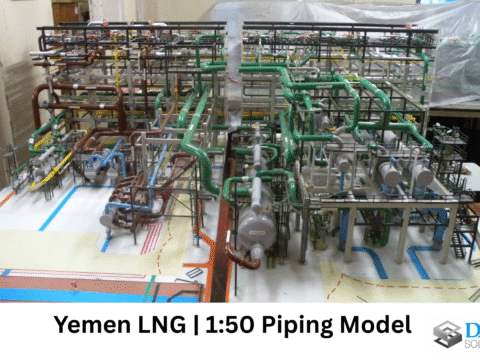
3D physical model making combines artistry, technology, and craftsmanship. With the help of advanced techniques such as laser cutting, CNC machining, and 3D printing, model makers bring digital designs to life with stunning accuracy.
The Role of 3D Model Making in Design Refinement
These models not only serve as powerful communication tools but also help architects and engineers refine their designs before construction begins.
Conclusion
Incorporating 3D physical model making into your project workflow can significantly enhance regulatory approval processes, improve public engagement, and strengthen stakeholder buy-in. As a visual storytelling medium, physical models turn ideas into tangible experiences—making complex projects easier to understand, trust, and support.
Partner with Dagart Solutions
If you’re preparing for your next planning submission or community presentation, consider partnering with Dagart Solutions.