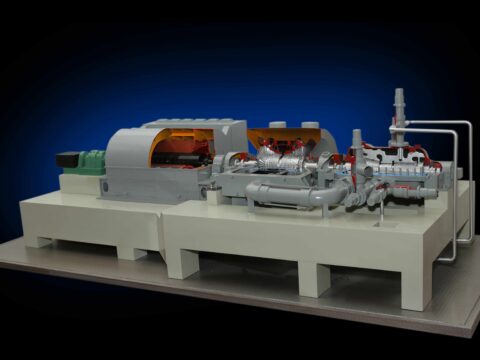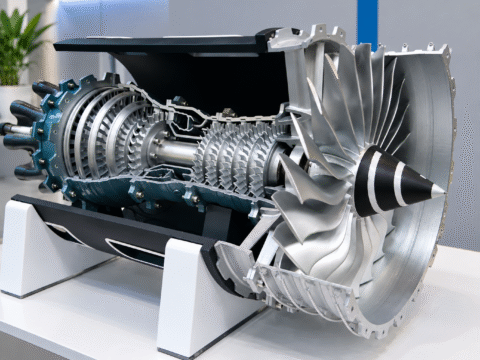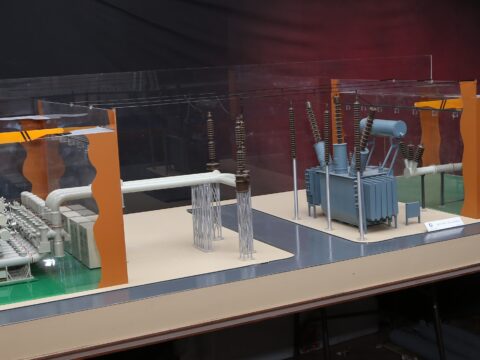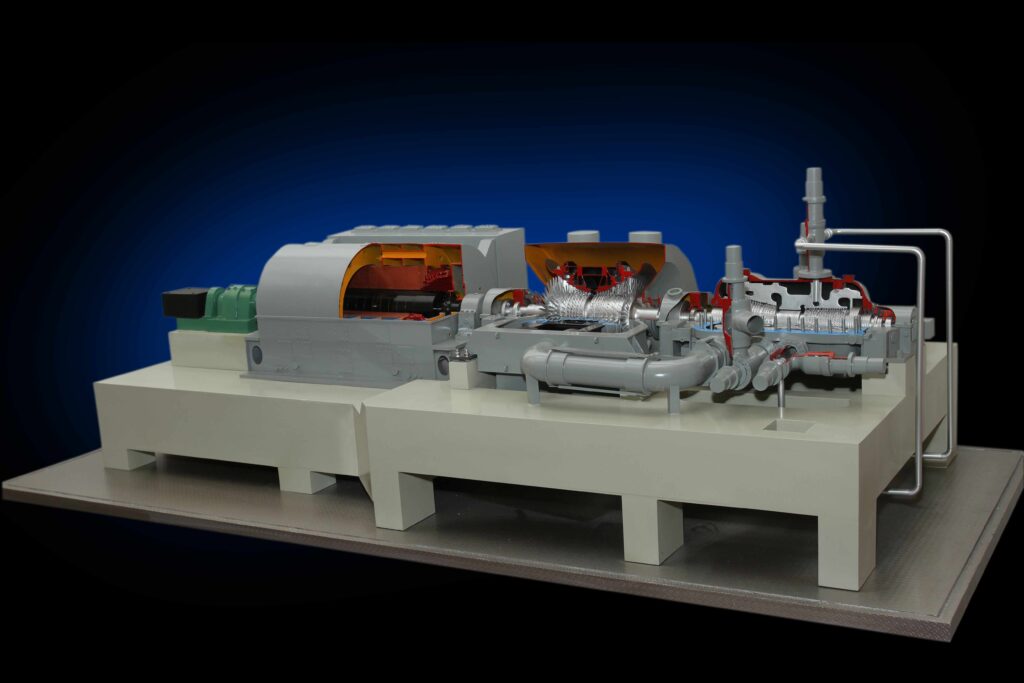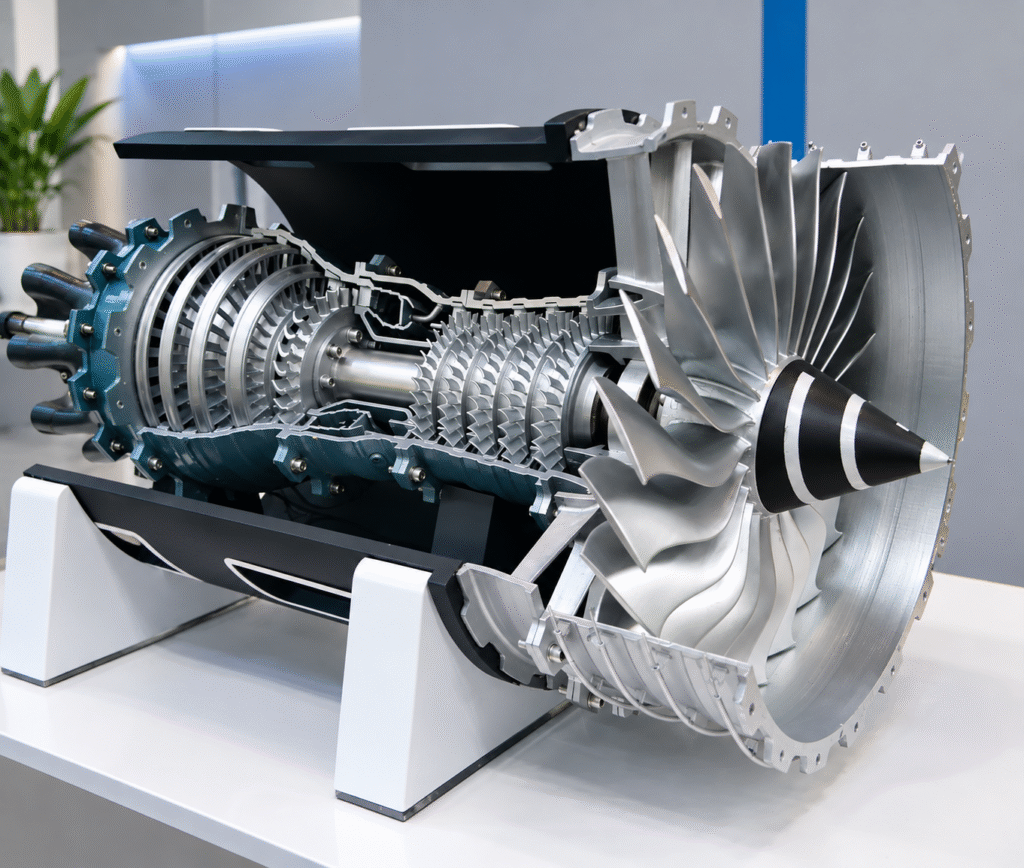
Cutaway and Sectional Models: Making Hidden Engineering Details Visible
October 15, 2026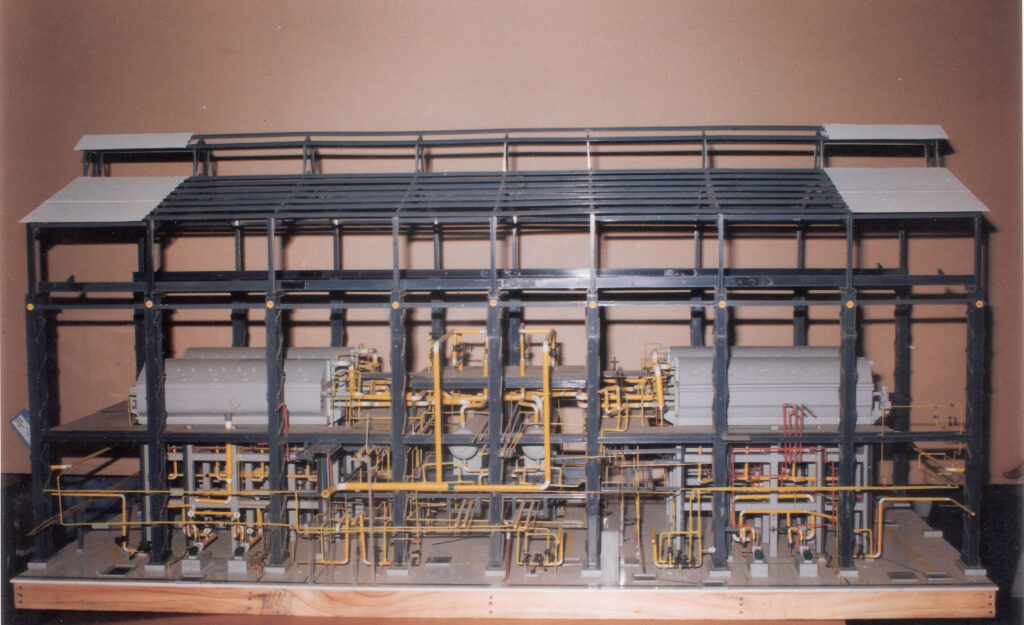
By DAGART Solutions | Industrial Scale Model Making
Introduction
3D printing has changed the way industrial scale models are designed and manufactured. With a digital 3D CAD file, complex components can be produced with impressive accuracy, making the process faster and more convenient for many applications.
However, creating a physical industrial model involves more than simply converting a digital design into printed parts. The final appearance depends on the choice of materials, the manufacturing method, the level of detail, assembly and finishing.
At DAGART Solutions, our experience in industrial model making has shown us that while 3D printing is a valuable tool, it is not always necessary—or ideal—to manufacture every component using the same method.
This is where hybrid model making, which combines 3D printing with laser cutting, hand fabrication and other suitable techniques, can make a difference.
What Is a Fully 3D-Printed Industrial Model?
A fully 3D-printed model is manufactured primarily by producing its components through additive manufacturing. Depending on the design and printer capabilities, this approach can be suitable for complex shapes, intricate components and prototypes.
Some advantages of 3D printing include:
- Design flexibility: Complex geometries can be produced directly from digital models.
- Repeatability: Identical components can be reproduced when the design and printing process are consistent.
- Convenience: It can reduce the need for manually fabricating certain intricate parts.
- Prototyping support: Components can be tested and reviewed before final model assembly.
Despite these benefits, the final result depends on the model’s scale, printer resolution, material, orientation, support requirements and post-processing.
Fine pipes, railings, structural members and other delicate details may require particular attention. Depending on the process, printed components can also show visible layer lines, require support removal or need additional finishing.
This does not mean that fully 3D-printed models cannot achieve an excellent appearance. Rather, the method must be selected according to the project’s requirements.
What Is Hybrid Model Making?
Hybrid model making combines different manufacturing techniques to achieve the desired level of detail, accuracy and visual quality.
Instead of producing every component using 3D printing, each part is assessed individually to determine the most suitable way to manufacture it.
A hybrid industrial scale model may use:
- 3D-printed components for complex shapes, equipment housings and intricate geometries.
- Laser-cut parts for flat panels, platforms, bases and accurately shaped components.
- Pipes, tubes and rods for suitable piping systems, railings and structural elements.
- Hand fabrication and cutting for customised details and components that require careful shaping.
- Assembly and finishing to bring the different materials together into a consistent, realistic model.
The objective is not to minimise 3D printing. It is to use each technique where it offers the best result.
3D Printing vs Hybrid Model Making: What Is the Difference?
One of the most noticeable differences can be the visual character of the finished model.
| Feature | Fully 3D-Printed Approach | Hybrid Model Making |
|---|---|---|
| Manufacturing | Components are produced predominantly through 3D printing | Different methods are selected for different components |
| Fine details | Depends on printer capability, scale and post-processing | Details can be created using the technique best suited to each part |
| Surface finish | May require sanding, filling, priming or other finishing | Finish depends on the selected materials and the quality of assembly and finishing |
| Delicate elements | Small features must be designed to suit printing limitations | Suitable pipes, rods, cut parts or fabricated details can be used |
| Visual appearance | Can be highly detailed when designed and finished well | Can offer greater flexibility in combining different forms, materials and textures |
| Production considerations | Convenient for many complex and repeatable components | Requires planning, coordination and skilled assembly across different methods |
Neither method automatically guarantees a better result. The outcome depends on the design, scale, materials, production quality and intended use.
Why Aesthetics Matter in Industrial Scale Models
An industrial scale model is often created to communicate complex information in a clear and visually effective way. It may be used for exhibitions, technical presentations, project reviews, training or explaining a plant layout.
In these situations, the overall appearance matters.
At a small scale, a pipe, railing or structural member must be represented in a way that looks appropriate for the model. A component that is technically printable may not always provide the most convincing visual result once installed.
For example, a pipe network might be easier to represent using suitable tubes or rods rather than printing every pipe as part of a larger assembly. Similarly, a flat platform may be more appropriate for laser cutting, while a complex equipment housing may benefit from 3D printing.
Careful material selection, accurate assembly, consistent painting and clean finishing can help the final model look more refined and realistic.
This is where the artistic side of model making becomes important. Digital design and manufacturing technology are valuable, but skilled hands, practical judgement and attention to detail also play an important role in achieving the intended appearance.
Why Not 3D Print Every Component?
Having a complete 3D CAD model does not necessarily mean that every component should be 3D printed.
A CAD file represents the design digitally. Turning that design into a physical scale model requires additional decisions about material, manufacturing method, structural strength, scale limitations and finishing.
For some components, 3D printing may be the most effective option. For others, laser cutting, hand fabrication or the use of suitable tubes and rods may produce a better fit or appearance.
Printing every component using one method can also introduce unnecessary finishing work if some parts would be easier to manufacture through another process.
A thoughtful hybrid approach allows the model maker to consider the purpose of each component and choose a suitable method before production begins.
Choosing the Right Approach for Your Project
The choice between a fully 3D-printed model and a hybrid model should depend on the project rather than a preference for one technology.
Before production, consider:
- Scale and dimensions: Will the required details remain visible and proportionate at the selected scale?
- Component geometry: Is the part better suited to 3D printing, laser cutting or fabrication?
- Visual expectations: Does the model need a presentation-quality finish, highly detailed equipment or a clear overall layout?
- Material requirements: Which materials are suitable for the shape, durability and appearance of each component?
- Assembly and finishing: How will individual parts fit together, and what finishing will be required?
- Time and budget: Which combination of methods offers the right balance of quality, practicality and cost?
The best approach is the one that meets the project’s technical and visual requirements—not necessarily the one that uses the most advanced manufacturing technology.
Our Approach at DAGART Solutions
At DAGART Solutions, we recognise the value of 3D printing in modern industrial model making. It can help produce complex components and support efficient model development.
At the same time, we believe that good model making involves understanding the purpose of each part and selecting the right production method. Depending on the project, this may involve a combination of 3D printing, laser cutting, suitable pipes and rods, manual fabrication, assembly and finishing.
The aim is to create a physical model that communicates the design clearly while maintaining the appropriate level of detail and visual quality.
Technology helps us make the parts. Engineering understanding, skilled fabrication and careful finishing help bring the complete model together.
Conclusion
3D printing has become an important part of industrial scale model making, but it is one of several techniques available to model makers.
A fully 3D-printed model can be the right choice for many projects. In other cases, combining 3D printing with laser cutting, hand fabrication and other materials can provide greater flexibility in achieving the desired appearance and detail.
Ultimately, successful industrial model making is about choosing the right method for every component and ensuring that all parts work together as one well-finished model.
At DAGART Solutions, we see 3D printing and traditional fabrication not as competing methods, but as complementary approaches that can be combined to meet the needs of each project.
Frequently Asked Questions
Is 3D printing suitable for industrial scale models?
Yes. 3D printing is suitable for many industrial scale model components, particularly complex shapes and detailed equipment. Its suitability depends on the required scale, material, printer capabilities and finish.
What is hybrid model making?
Hybrid model making combines techniques such as 3D printing, laser cutting, manual fabrication and the use of suitable pipes, tubes or rods to create a complete physical model.
Are hybrid models always better than fully 3D-printed models?
No. The best method depends on the design, intended use, budget, scale and expected finish. Both approaches can produce excellent results when properly planned and executed.
Why is finishing important in industrial scale model making?
Finishing helps improve surface appearance, colour consistency, joints and the overall presentation of a model. It also helps different components and materials work together visually.
Can a 3D CAD file be used directly to manufacture an entire physical model?
A CAD file is a valuable starting point, but it may require adjustments for scale, material thickness, manufacturability, component separation and assembly. Each part should be assessed before choosing its manufacturing method.