
The Unique Purpose of 3D Miniature Models: A Client Story from Sydney
October 2, 2025
How to Use 3D Physical Models to Enhance Regulatory Approvals
October 28, 2025
Introduction
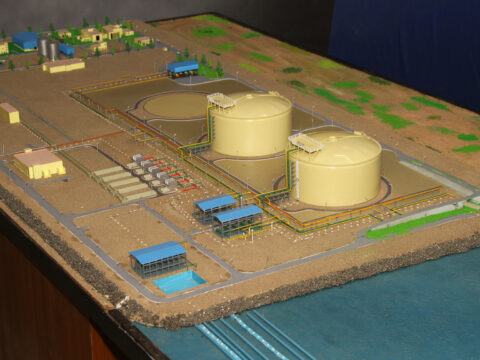
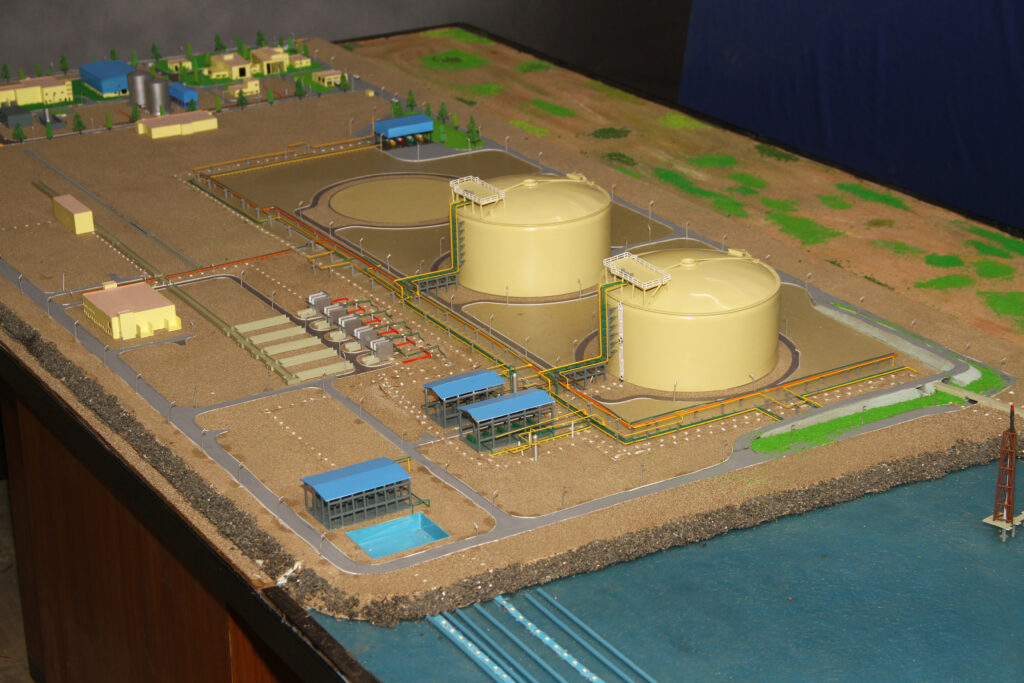
In industries such as energy, oil and gas, manufacturing, and chemical processing, a plant layout model is more than just a miniature representation it’s a strategic tool that bridges imagination and execution. These models are vital for training, project visualization, stakeholder presentations, and safety planning.
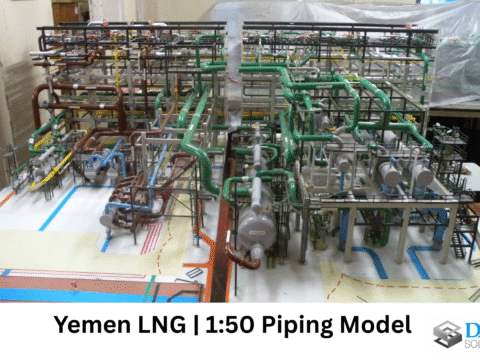
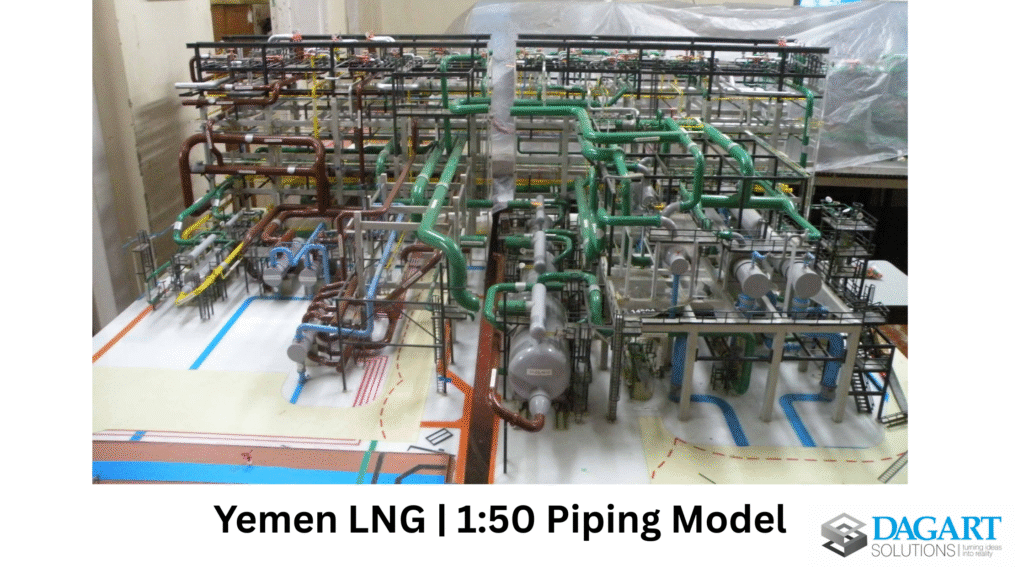
But what separates an ordinary model from an exceptional one lies in the detailing. Every pipe, valve, tank, and process line tells a part of the story. Detailing turns a static visual into a dynamic, functional model that enhances understanding, precision, and decision-making across every phase of a project.
This clarity isn’t just for engineers—it’s for everyone involved, from investors to safety officers. When complexity becomes visible, collaboration becomes easier, and communication becomes seamless.
Accurate Representation of Processes
The heart of any industrial model lies in its accuracy. When a model shows precise detailing pipe runs, valves, control systems, tanks, and flow paths—it mirrors the actual process. That accuracy becomes essential for training engineers and operators, who can rehearse procedures, understand system logic, and visualize operations before setting foot in the real facility.
An accurately detailed model eliminates ambiguity. It becomes a bridge between concept and reality, ensuring that every decision is grounded in how things will function in the actual plant.
Effective Communication with Stakeholders
When presenting to clients, investors, or approval authorities, first impressions matter. A well-detailed plant layout model instantly communicates professionalism and preparedness. Stakeholders can see that every element has been thought through—from equipment placement to safety routes.
This visual storytelling makes technical presentations far more persuasive. Instead of explaining with jargon, teams can demonstrate ideas visually, helping decision-makers grasp both the complexity and feasibility of a project at a glance.
Training and Safety Applications
In industries where safety is paramount, visualization can mean the difference between theory and readiness. Detailed plant layout models serve as training and simulation tools, allowing operators and safety teams to understand operational procedures and emergency protocols.
They can trace evacuation paths, identify shut-off valves, and simulate risk scenarios—all within the safety of a model environment. Such practical visualization improves comprehension and response time during real emergencies, making detailed models invaluable for safety training programs.
Supporting Design Reviews and Modifications
No industrial project stays static. Equipment layouts evolve, regulations change, and space constraints emerge. Detailed plant layout models provide a tangible review tool for these inevitable revisions.
Teams can spot potential design clashes, assess accessibility for maintenance, and identify inefficient layouts before construction begins. Early detection of design flaws saves not just time and money, but also prevents costly rework and downtime in later stages.
Key Elements That Bring a Plant Layout Model to Life
What does “detailing” actually mean in the context of a plant model? It’s the inclusion of every small yet significant element that contributes to operational realism.
A well-designed model typically includes:
Valves, gauges, and flanges: to show process control and flow management.
Tanks, vessels, and process units: offering accurate scale and placement.
Platforms, ladders, and structural components: to represent accessibility and maintenance areas.
Control rooms and electrical panels: because operations aren’t complete without automation.
Process flow arrows and labels: for clear understanding of system logic.
Safety features: such as emergency exits, fire suppression points, and ventilation paths.
Each of these details transforms the model from a miniature into a microcosm of the real plant, supporting every function from engineering design to operational planning.
The Business Value of Detailing
Beyond aesthetics, detailing adds tangible business value to projects.
Faster approvals: Detailed models make it easier for investors and authorities to understand project scope, leading to quicker sign-offs.
Reduced rework: Early visualization exposes design inefficiencies before they reach the field.
Improved collaboration: Engineers, architects, and safety officers can align easily around a shared, visual reference.
Enhanced safety and training: Realistic, detailed models make training far more effective and engaging.
Long-term adaptability: A detailed base model simplifies future expansions, retrofits, or system upgrades.
In short, the return on investment (ROI) of detailed plant layout modelling comes from reduced risk, better communication, and smoother project execution.
Conclusion
From pipes to processes, detailing is what gives a plant layout model its true power. It transforms a simple 3D representation into a communication, training, and decision-making tool that drives clarity across every stage of a project.
A well-detailed model captures the entire narrative of an industrial plant—how it works, how it connects, and how it can be operated safely. For industries built on precision, the value of detailing isn’t just visual it’s operational, educational, and strategic.
In every sense, detailing turns miniature models into mighty tools that bring complex industrial visions to life.
FAQs
Q1. Why are detailed plant layout models better than 2D drawings?
They provide a realistic 3D view that makes complex systems easier to understand and communicate—especially for non-technical audiences.
Q2. Who benefits the most from plant layout models?
Engineers, operators, safety teams, investors, and trainers all benefit from improved visualization and process clarity.
Q3. What kind of detailing is usually included?
Common elements include pipes, valves, tanks, platforms, process flow indicators, and safety components.
Q4. Can plant layout models be customized?
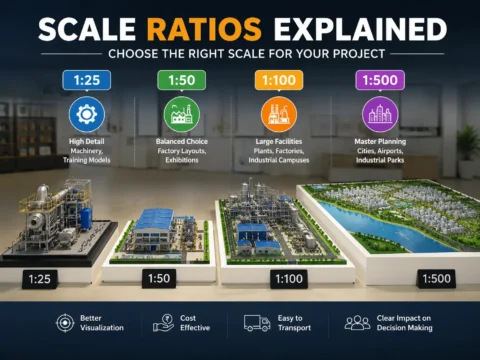
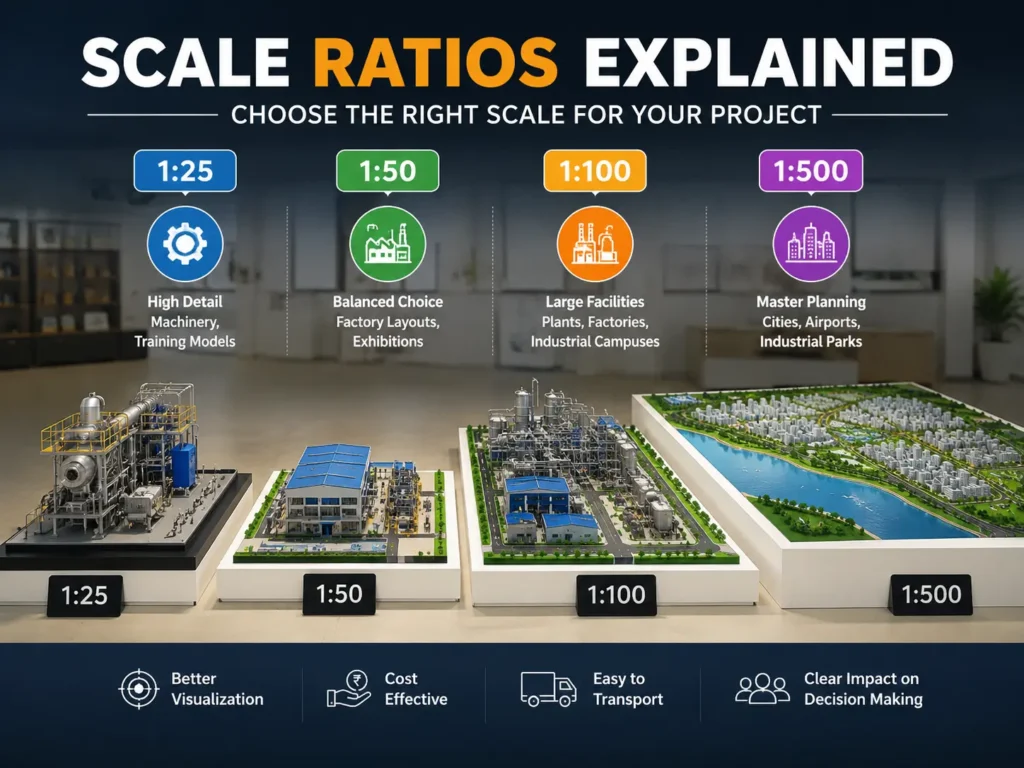
Yes. Models can be built to any scale, process type, or industry requirement, including specific training or presentation needs.
Q5. Do detailed models take longer to build?
They do, but the added time ensures accuracy and adds long-term value for training, stakeholder communication, and project execution.