3D Printing vs Hybrid Model Making: Which Is Better for Industrial Scale Models?
October 26, 2026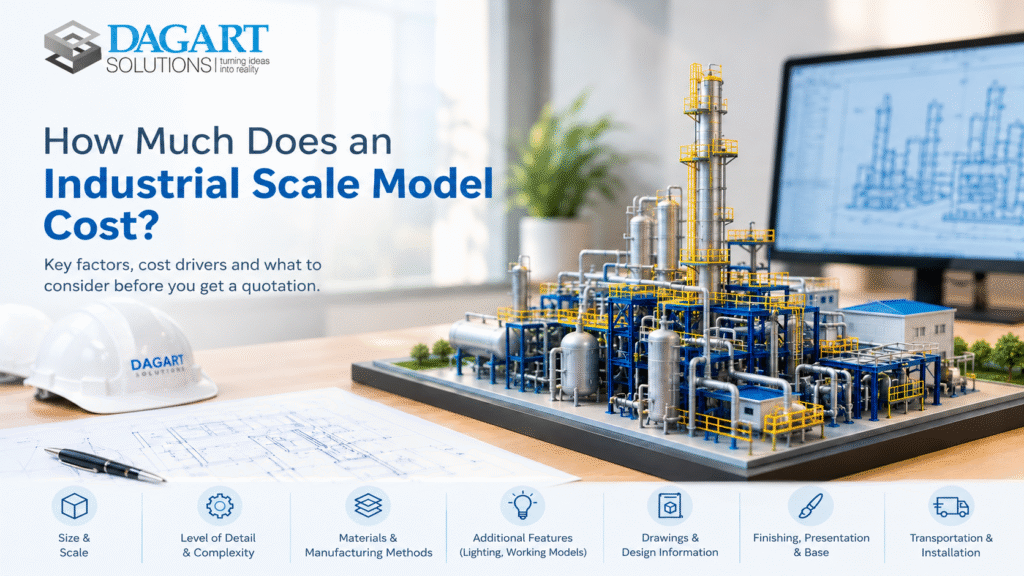
When planning an industrial scale model, one of the first questions that comes to mind is: How much will it cost?
The cost of an industrial scale model can vary significantly depending on its size, scale, level of detail, materials, manufacturing methods and overall complexity. A simple factory layout model and a highly detailed process plant model may look similar in size but require very different levels of work.
There is no fixed price for every project. Understanding the factors that influence the cost can help you plan your model more effectively and get an accurate quotation.
1. Size and Scale of the Model
The overall size and selected scale are among the primary factors affecting the cost of an industrial scale model.
For example, a model at 1:50 scale will generally show more detail and occupy more space than the same facility represented at 1:200 scale.
However, a larger model does not always mean a proportionately higher cost. The layout, equipment density, detailing requirements and construction approach also play an important role.
The right scale should be selected based on the model’s purpose, available display space and the level of detail required.
2. Level of Detail and Complexity
The amount of detail required is one of the most significant cost factors.
An industrial model may include:
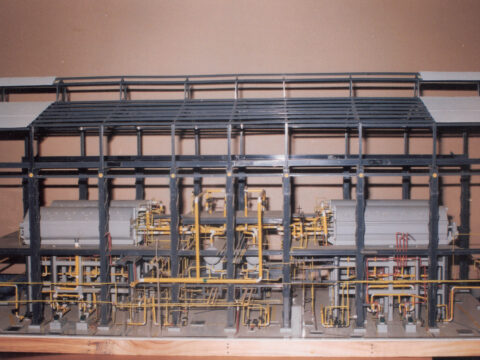
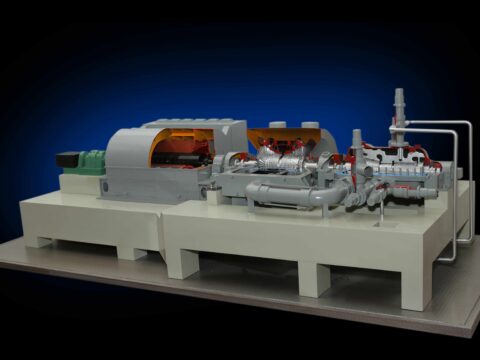
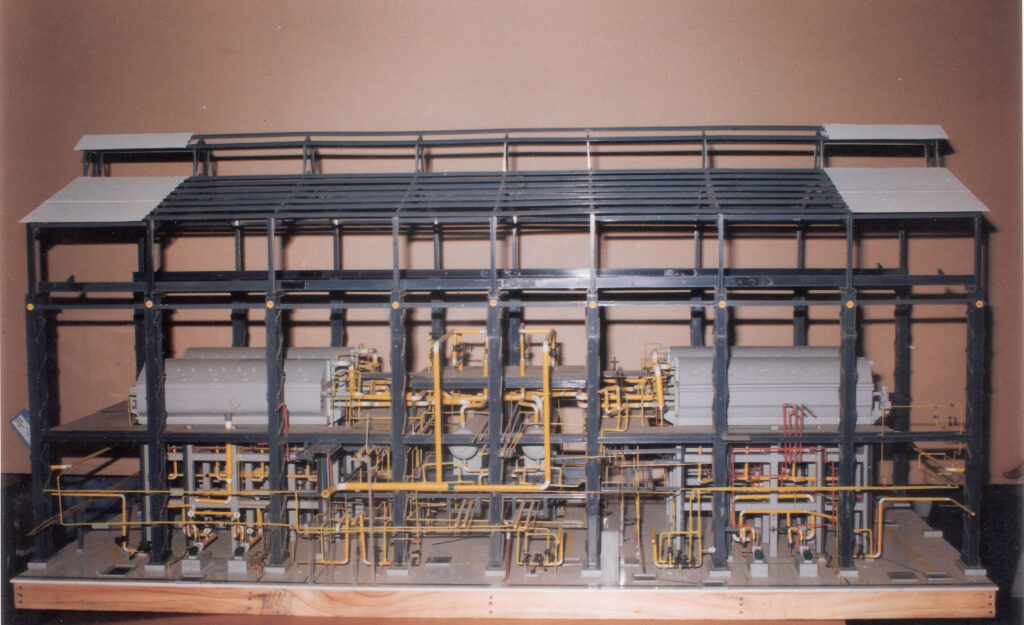
- Process equipment, tanks and vessels
- Piping systems, valves and pipe supports
- Platforms, ladders, handrails and structural elements
- Pumps, motors and other mechanical components
- Buildings, access roads and surrounding infrastructure
- Labels, colour coding and identification markings
A model that focuses mainly on the overall plant layout will generally require less work than one that represents individual equipment and intricate piping arrangements.
The more detailed and complex the model, the more time and precision are required during fabrication and assembly.
3. Materials and Manufacturing Methods
Industrial scale models can be produced using a combination of manufacturing techniques, depending on the design and requirements.
Common methods include:
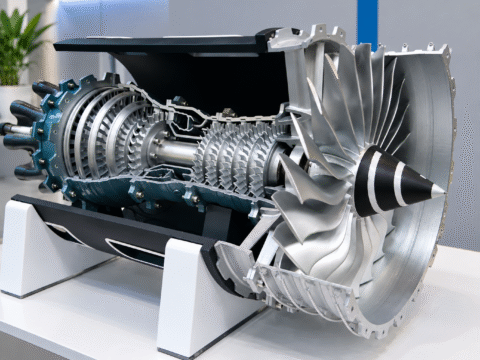
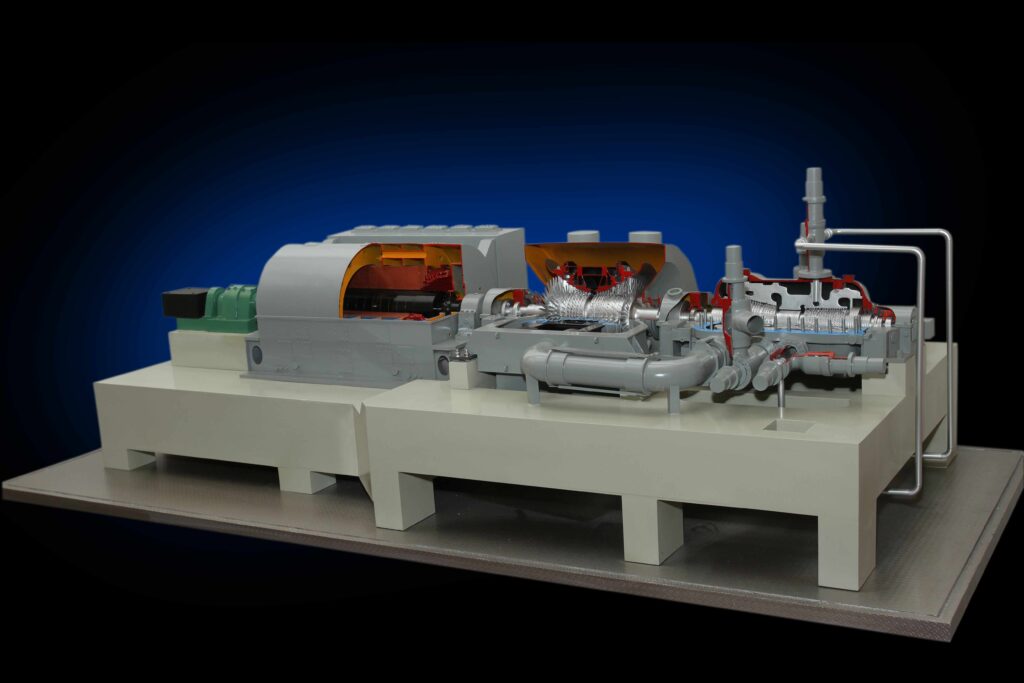
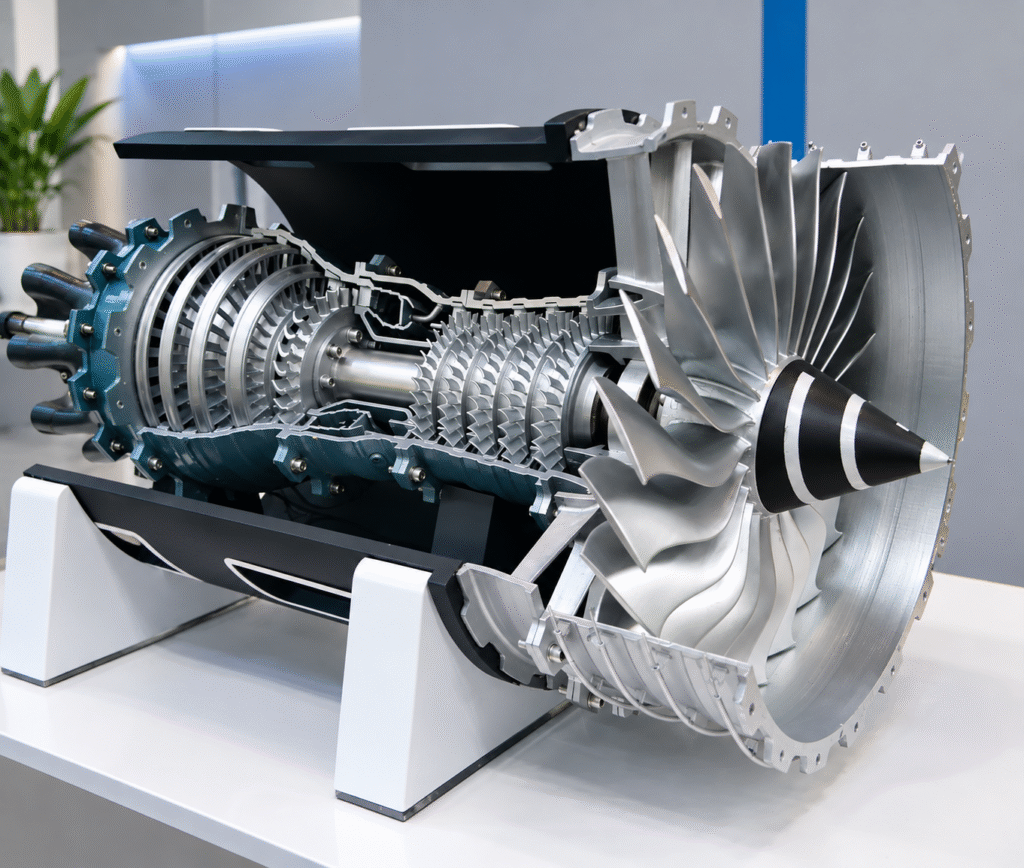
- 3D Printing: Useful for complex equipment shapes, machinery and intricate components.
- Laser Cutting: Suitable for accurately cutting flat parts, platforms, panels and structural elements.
- Manual Fabrication: Used for selected pipes, tubes, rods, supports and other detailed components.
- Assembly and Finishing: Required to bring individual components together with consistent alignment, colours and presentation quality.
The choice of materials and manufacturing methods affects both the cost and the final appearance of the model. A suitable combination is selected based on the geometry, scale and purpose of each component.
4. Working Features and Lighting
Some industrial scale models are designed primarily for visual presentation, while others include additional features to demonstrate specific functions.
Optional features may include:
- LED lighting for selected equipment and process areas
- Illuminated flow paths or process sections
- Motorised or moving components
- Interactive demonstration features
These additions require extra components, electrical work, integration and testing, which can increase the overall project cost.
5. Drawings and Design Information
The quality and availability of technical information can also influence the project cost and timeline.
Useful inputs include:
- General Arrangement (GA) drawings
- Plan and elevation drawings
- Sections and equipment layouts
- 3D CAD models, where available
- Piping layouts and reference images
- Colour schemes and model specifications
When clear drawings and 3D files are available, they help in understanding the project and planning the fabrication process.
If information is incomplete, additional clarification, design interpretation or preparation may be required before production can begin.
6. Finishing, Base and Presentation Requirements
The final presentation of an industrial scale model is another important consideration.
Depending on the project, the requirements may include a display base, painted surfaces, colour coding, nameplates, equipment labels, company branding and protective covers.
Models intended for exhibitions, boardroom presentations or client demonstrations may require a higher level of visual finishing and presentation.
7. Transportation and Installation
For large or complex industrial scale models, transportation and installation should be considered during the initial planning stage.
Depending on the model’s size and destination, the project may require special packaging, protective crates, detachable sections, on-site assembly or installation support.
These requirements may add to the overall project budget, particularly for models being transported over long distances or internationally.
How Can You Get an Accurate Quotation?
To receive a meaningful quotation for an industrial scale model, it is helpful to share as much project information as possible.
Ideally, provide:
- Project name and industry.
- General Arrangement (GA) drawings or 3D CAD files.
- Required model scale or approximate dimensions.
- Expected level of detailing.
- Whether lighting or working features are required.
- Display location and intended purpose.
- Required delivery date and destination.
Even if all technical details are not available initially, sharing the drawings and basic project requirements can help start the discussion.
How Can You Optimise the Cost of an Industrial Scale Model?
A well-planned model does not necessarily need every component to be represented with the same level of detail.
Here are a few ways to optimise the project:
- Select a suitable scale based on the model’s purpose.
- Prioritise critical equipment and areas that need detailed representation.
- Clearly identify which components require high levels of detail.
- Finalise the design, colour scheme and specifications before fabrication.
- Share complete and accurate technical information wherever possible.
The objective is to achieve the required visual accuracy and presentation quality while making effective use of materials, manufacturing methods and project time.
Conclusion
The cost of an industrial scale model depends on much more than its physical size. Scale, complexity, detailing, materials, manufacturing methods, finishing and delivery requirements all contribute to the final quotation.
Every industrial project has different requirements. A clear understanding of the intended purpose and technical expectations helps determine the right approach for model making.
At DAGART Solutions, we work on industrial and engineering scale models by selecting suitable fabrication techniques and focusing on detail, accuracy and presentation requirements.
If you are planning an industrial scale model, sharing your project drawings and basic requirements is the first step towards receiving a suitable quotation.
Frequently Asked Questions (FAQs)
1. What is the cost of an industrial scale model?
There is no standard price for an industrial scale model. The cost depends on its size, scale, complexity, level of detail, materials, manufacturing methods and additional features.
2. Which factors have the biggest impact on the cost of a scale model?
The most significant factors are the selected scale, equipment and piping details, overall complexity, manufacturing requirements and finishing specifications.
3. Does a larger scale model always cost more?
Not necessarily. A larger model may require more materials and space, but the total cost also depends on the number of components, level of detail and fabrication effort involved.
4. Can I get a quotation using only 3D CAD files?
Yes. 3D CAD files can be a useful starting point for understanding the project. Depending on the requirements, GA drawings, dimensions, colour schemes and additional references may also be needed.
5. Does adding LED lighting increase the cost?
Yes. LED lighting and other working features involve additional components, integration, wiring and testing, which can increase the overall project cost.
6. How long does it take to make an industrial scale model?
The timeline depends on the model’s size, complexity, detailing requirements, availability of technical information and approval process. A project-specific schedule can be discussed after reviewing the requirements.
7. Can the cost be reduced without compromising the overall appearance?
Yes. Selecting the right scale, prioritising important details and choosing suitable manufacturing methods can help optimise the cost while maintaining the intended presentation quality.
Planning an Industrial Scale Model?
Share your project drawings, 3D CAD files or basic requirements with us. Our team can review your project and discuss a suitable approach for your model.
DAGART Solutions
Website: https://www.dsmodelmakers.com
Email: info@dsmodelmakers.com