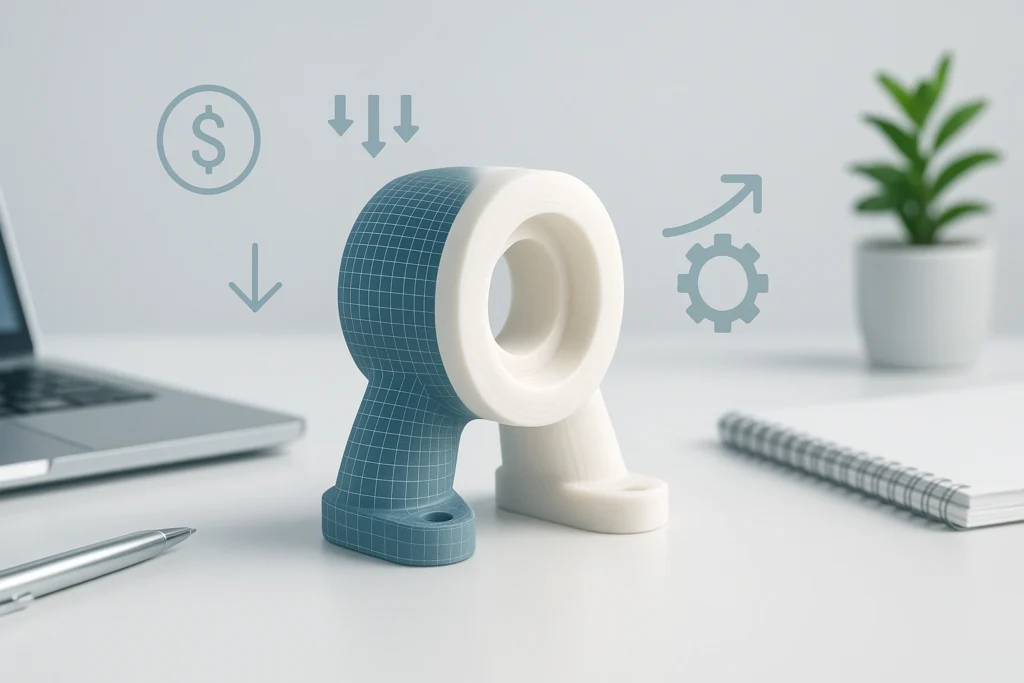

The Cost Saving Power of 3D Model Making in Product Prototyping
November 19, 2025
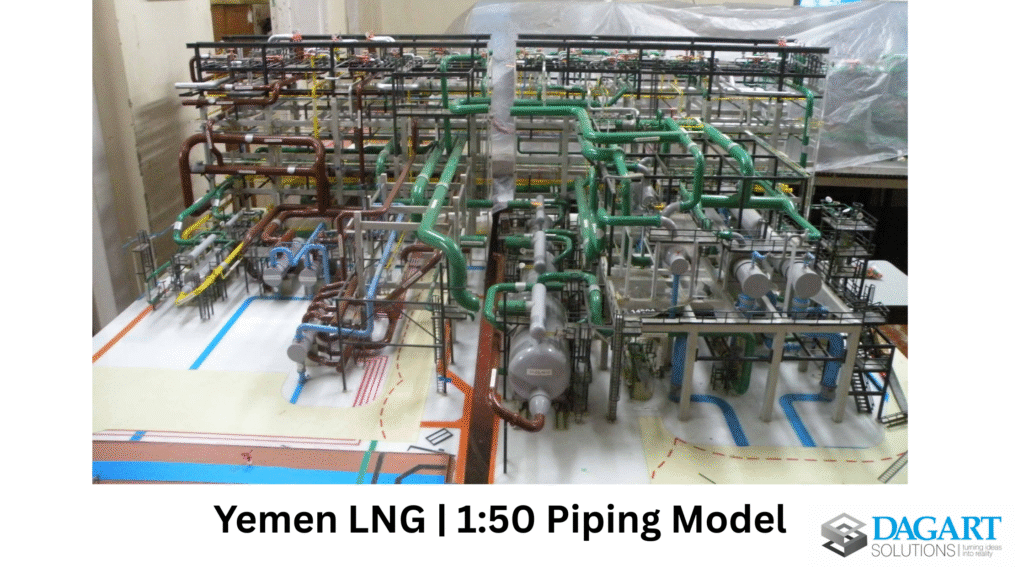
A Yemen LNG Piping Model Case Study
September 3, 2026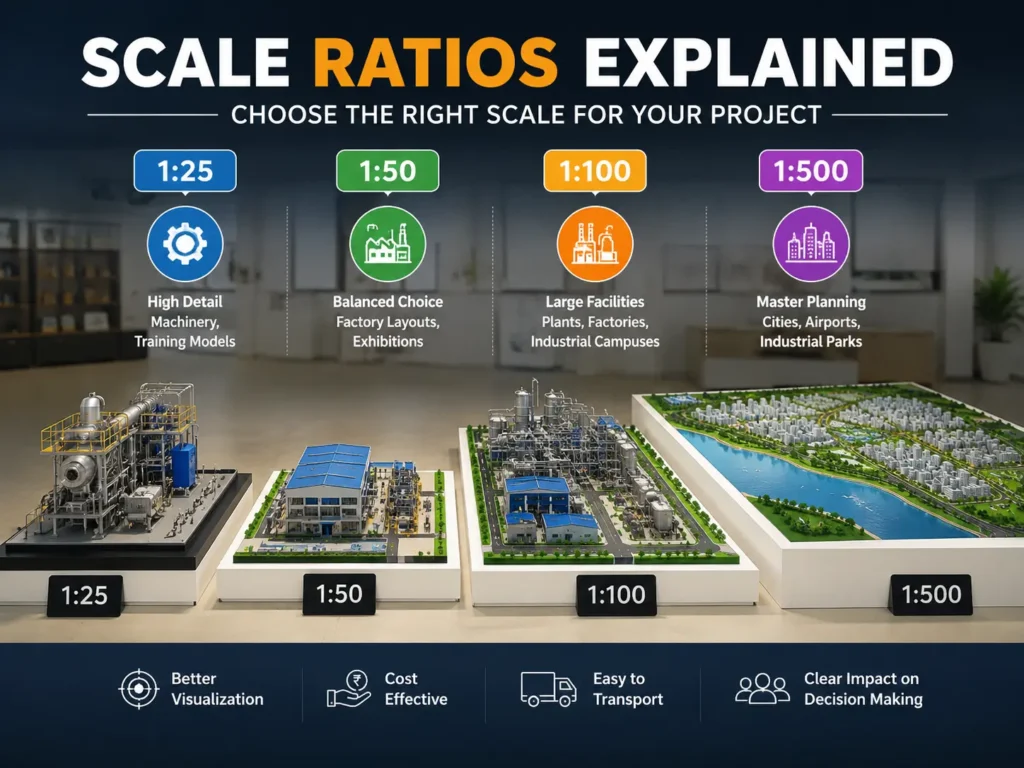
First Question We Ask
One of the first questions we ask every client at Dagart Solutions is: What do you want your model to achieve? The answer determines the ideal scale. Whether you’re presenting a factory to investors, training engineers, or showcasing a township at an exhibition, choosing the right scale ratio is just as important as the design itself.
In this guide, we’ll explain the most common scale ratios, their applications, and how to select the best scale for your industrial, architectural, or engineering model.
What Is a Scale Ratio?
If you’ve ever looked at an engineering drawing or architectural blueprint, you’ve probably seen numbers like 1:25, 1:50, or 1:100. A scale ratio simply indicates how much smaller the model is compared to the real object.
For example, in a 1:100 scale model, every 1 centimetre on the model represents 100 centimetres (1 metre) in real life.
Why Does the Scale Ratio Matter?
Many people assume scale only affects the model’s size. In reality, it impacts nearly every aspect of the project.
The Right Scale Influences
- Level of detail
- Manufacturing cost
- Production timeline
- Transportation and installation
- Display space requirements
- Audience understanding and presentation effectiveness
A beautifully crafted scale model can lose its impact if the scale is chosen incorrectly. If it’s too small, critical details disappear. If it’s too large, the model becomes expensive, difficult to transport, and challenging to display.
Choosing the correct scale is one of the most important decisions in any model-making project.
Popular Scale Ratios and Their Applications
1:25 Scale Model – High Detail
Best For: Machinery models, working models, engineering demonstrations, technical training
Advantages
- Maximum detailing
- Supports moving components
- Ideal for technical presentations
Considerations
- Higher manufacturing cost
- Requires more display space
1:50 Scale Model – The Balanced Choice
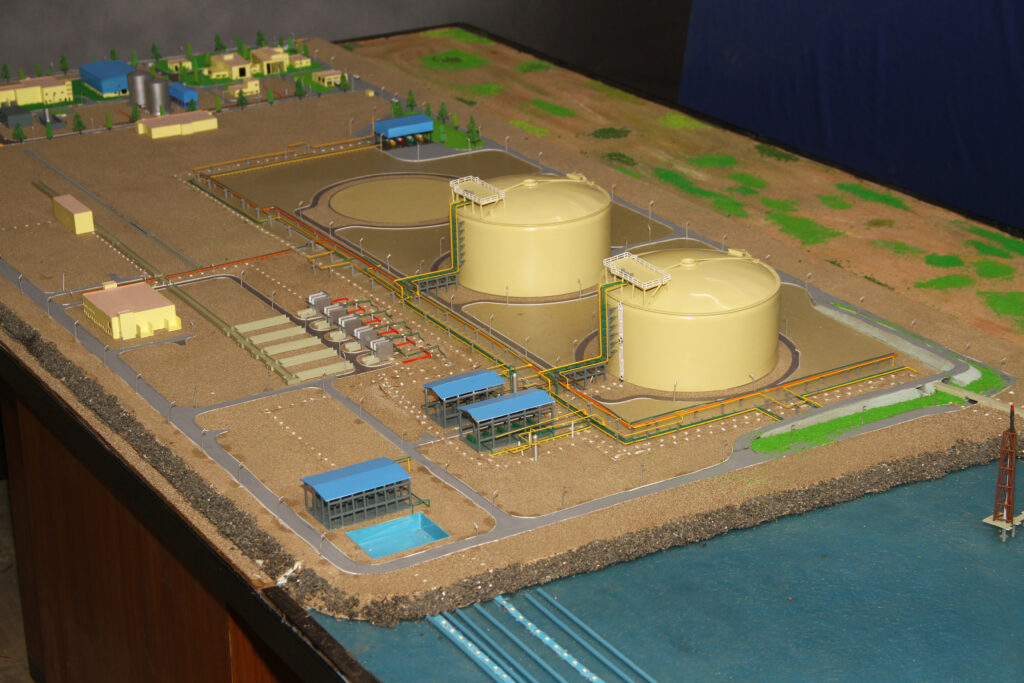
Best For: Factory layouts, commercial buildings, exhibition models, industrial facilities
Advantages
- Excellent balance between size and detail
- Easy to transport
- Cost-effective
1:100 Scale Model – Ideal for Large Facilities
Best For: Manufacturing plants, industrial campuses, warehouses, production facilities
Advantages
- Displays complete layouts
- Space-efficient
- Economical for large projects
1:500 Scale Model – Master Planning
Best For: Smart cities, airports, industrial parks, infrastructure projects, urban planning
Advantages
- Covers large geographical areas
- Easy to display
- Perfect for overview presentations
How Professionals Choose the Right Scale Ratio
At Dagart Solutions, we don’t recommend a scale based on habit. Every project begins with understanding its objectives.
Questions We Ask Before Recommending a Scale
- Who will be viewing the model?
- What decisions should the model support?
- Will it be transported to exhibitions or trade shows?
- How much display space is available?
- What level of detail is actually required?
- Should the model include working or moving parts?
- Will future updates be required?
The answers help us recommend the most practical and cost-effective scale rather than simply building the largest possible model.
Common Mistakes When Choosing a Scale Ratio
Avoid These Common Errors
- Assuming larger models are always better
- Ignoring available display space
- Overlooking transportation and installation requirements
- Choosing unnecessary levels of detail
- Selecting a scale that doesn’t match the target audience
- Focusing only on budget instead of communication value
- Not consulting experienced model makers early in the planning stage
Final Thoughts
A scale model is far more than a miniature version of a project. It is a powerful communication tool that helps engineers, architects, investors, and decision-makers understand complex ideas that drawings alone cannot effectively convey.
Whether you’re showcasing a machine, an industrial plant, or a large infrastructure project, selecting the right scale ensures the model is practical, visually engaging, and purpose-built.
At Dagart Solutions, every successful model begins with choosing the right scale—not simply the biggest one.
Why Choose Dagart Solutions for Scale Model Making?
With years of expertise in industrial model making, architectural scale models, and engineering model manufacturing, Dagart Solutions has helped organisations across India and overseas transform complex concepts into prec ision-crafted physical models.
Our Expertise Includes
- Industrial factory models
- Process plant models
- Architectural scale models
- Engineering demonstration models
- Museum display models
- Exhibition and trade show models
- Infrastructure and township models
Our team works closely with every client to recommend the ideal scale ratio, materials, manufacturing process, and level of detail to ensure each model delivers maximum impact.