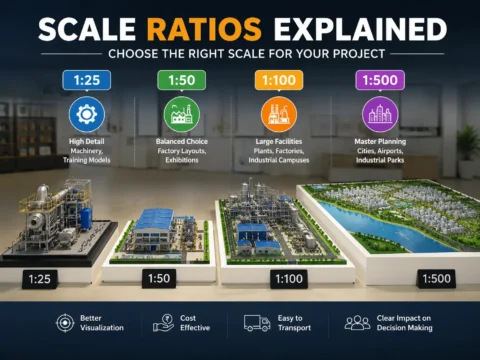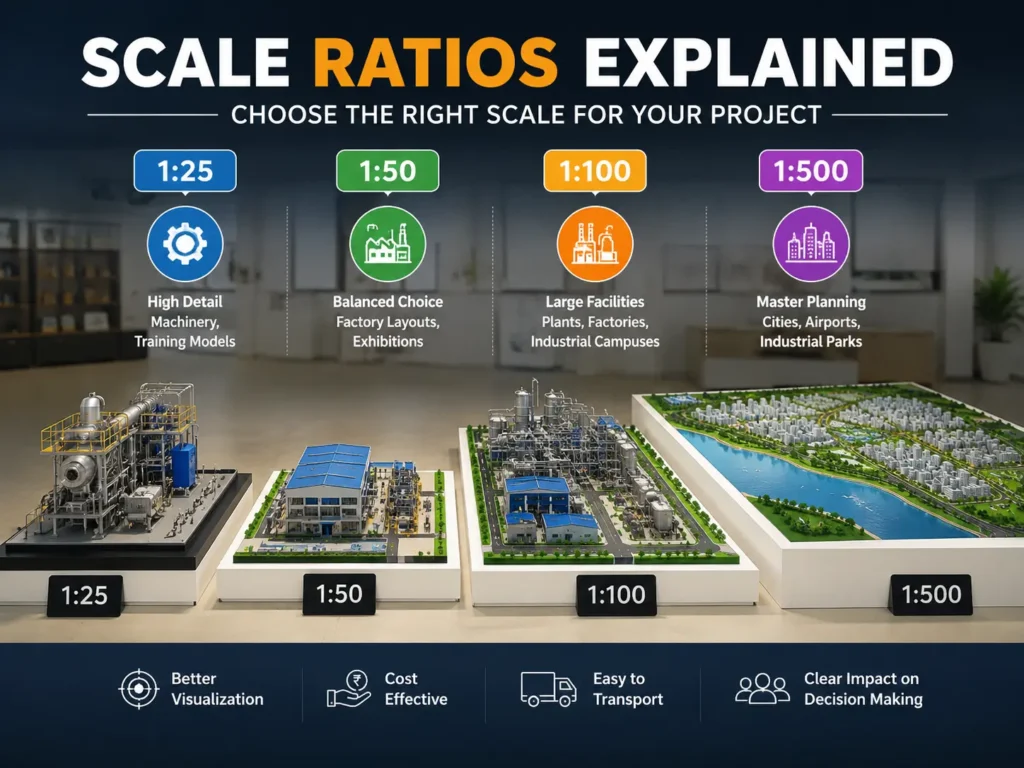

Scale Ratios Explained: 1:25, 1:50, 1:100 & 1:500 Guide
July 17, 2026
Why Colors Matter in Industrial Scale Models | DAGART Solutions
September 10, 2026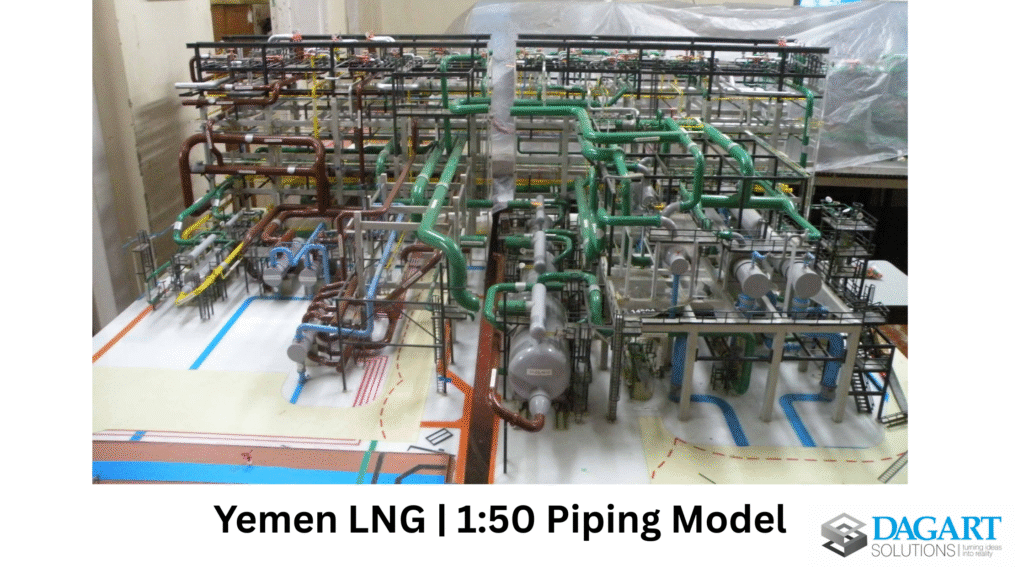
A real project that reminded us why physical scale models still matter.
Today, complex engineering projects rely heavily on 3D models, CAD and BIM. These digital tools are essential for designing, coordinating and reviewing large industrial projects.
But sometimes, seeing a project physically can give you a completely different perspective.
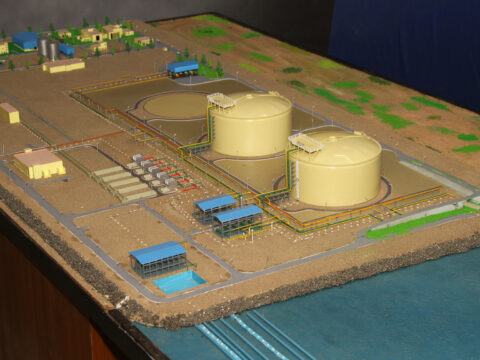
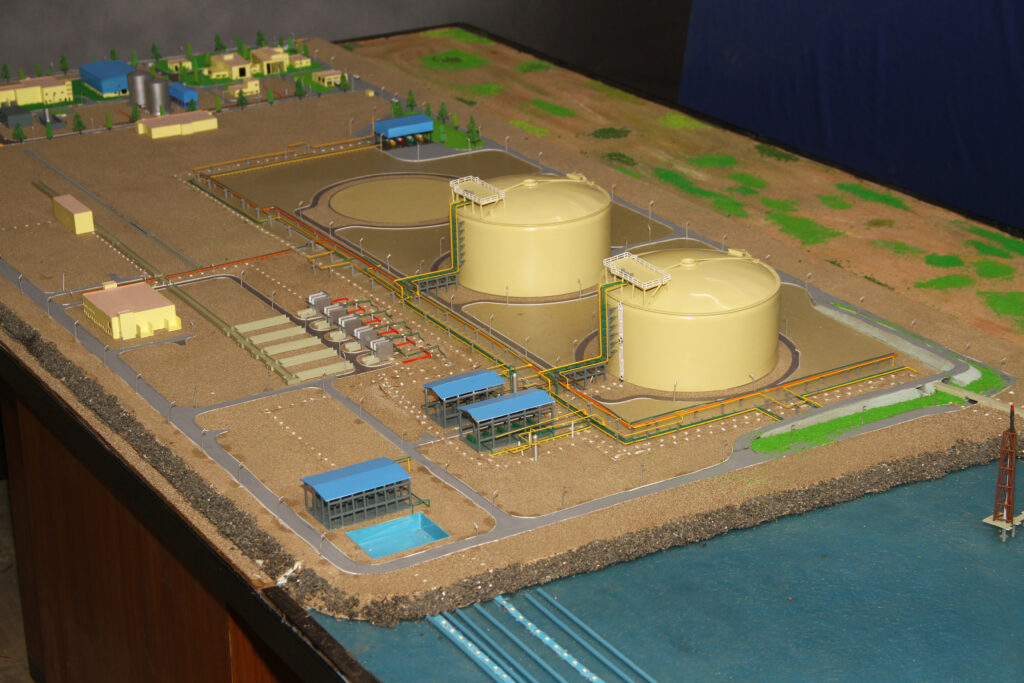
One of our memorable projects was a large 1:50 scale piping model for Yemen LNG, commissioned by a French engineering company. The model was developed using the client’s existing 3D engineering data and was later transported from India to Yemen for final assembly.
A Small Observation That Made a Difference
While working on the industrial piping model, our team noticed something unusual.
Two pipelines appeared to clash.
We marked the location and brought it to the client’s attention during their inspection visit to our facility in India.
The client checked the physical model and responded:
“Yes, you are right. But wait a minute.”
They immediately checked the corresponding piping information with their team working on the actual project in Yemen.
The result was that the routing and elevation of the lines needed to be reviewed and modified.
What looked like a small issue on the engineering scale model could potentially have meant rework, delays and additional costs if it had been discovered much later during installation.
Why Physical Scale Models Still Matter
This experience reinforced something we have seen across many industrial model making and engineering model projects.
A digital model is incredibly powerful. But a physical scale model allows engineers and project teams to experience the space differently.
You can:
- Walk around the model
- Follow complex piping routes
- Understand elevations and spatial relationships
- Discuss design details with your team
- Look at the project from different angles
- Identify areas that may need another review
For complex EPC, LNG, plant and industrial projects, this physical perspective can be a valuable addition to digital engineering tools.
More Than Just a Presentation Model
A professionally built industrial scale model is not necessarily just for display.
Depending on the project, it can support engineering discussions, client presentations, design reviews, project coordination and technical communication.
For us, this Yemen LNG piping model was a great example of how accurate model making can turn engineering data into something teams can physically see, discuss and understand.
Built in India. Delivered to Yemen.
The photographs from this project are from our in-house project archives. They may not have the quality of today’s photography, but they document a project that we are proud to remember.
This project taught us a simple lesson:
3D models and BIM are essential. Physical scale models are valuable too.
Sometimes, changing the way we see a project helps us notice something that deserves a second look.
And in engineering, the right observation at the right time can make a real difference.
At DAGART Solutions, we create industrial scale models, piping models, plant scale models, engineering models and custom physical models based on project requirements and engineering data.
Built in India.
Delivered to Yemen.
Built from engineering data.
And, in this case, it helped raise the right question at the right time.