How Much Does an Industrial Scale Model Cost?
October 30, 2026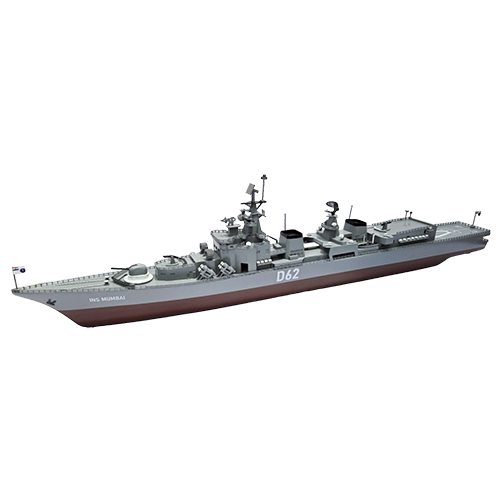
Introduction
Training in the defence sector often involves understanding complex equipment, systems and their internal arrangements. For personnel joining specialised courses, developing familiarity with these systems is an important part of technical learning.
However, access to the actual equipment, ships or operational systems may not always be practical during every stage of training. This is where physical training models can offer a useful learning aid.
At DAGART Solutions, we have developed specialised scale models for defence training applications, including models for the Navy and Air Force.
Why Are Physical Models Important in Defence Training?
Defence equipment is often complex, with multiple systems, compartments and interconnected components. Understanding their arrangement through drawings or descriptions alone can be challenging, particularly for trainees who are encountering the equipment for the first time.
Physical models provide a three-dimensional representation that can help instructors explain layouts, equipment positions and system arrangements in a more visual and accessible way.
They can also serve as a reusable training reference within an instructional environment.
Ship and Engine Room Training Models for the Navy
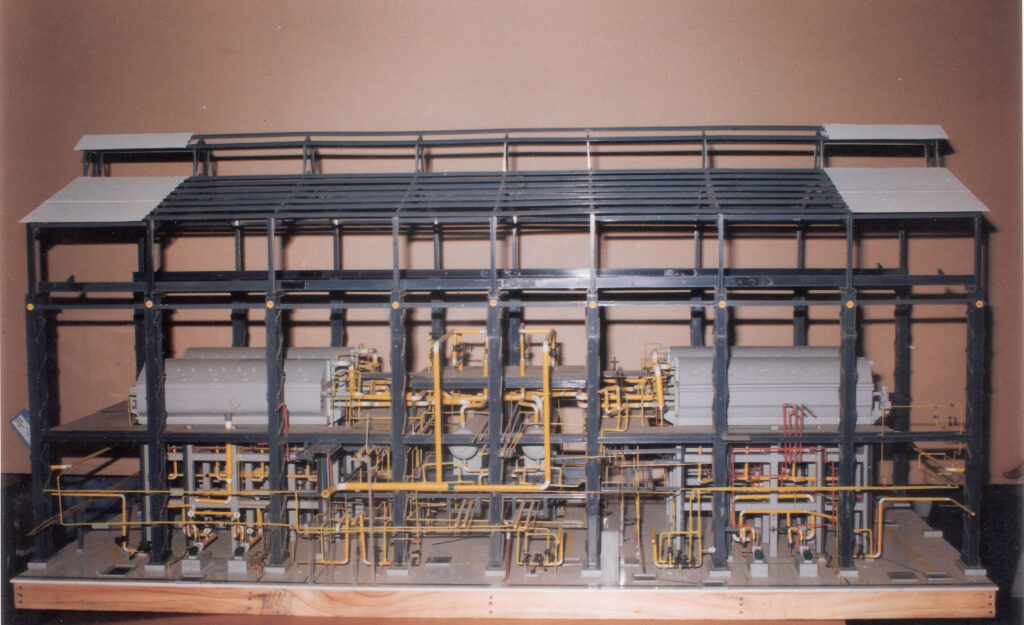
A naval vessel contains several specialised areas and technical systems. One important example is the engine room, where multiple pieces of machinery, equipment and associated arrangements come together.
DAGART Solutions has developed:
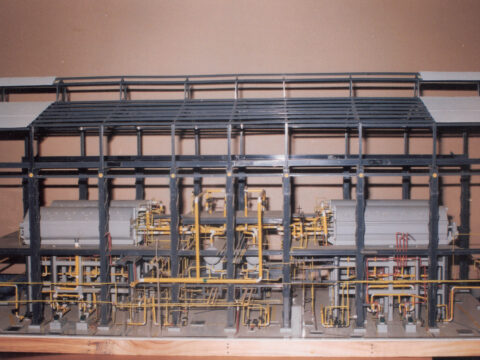
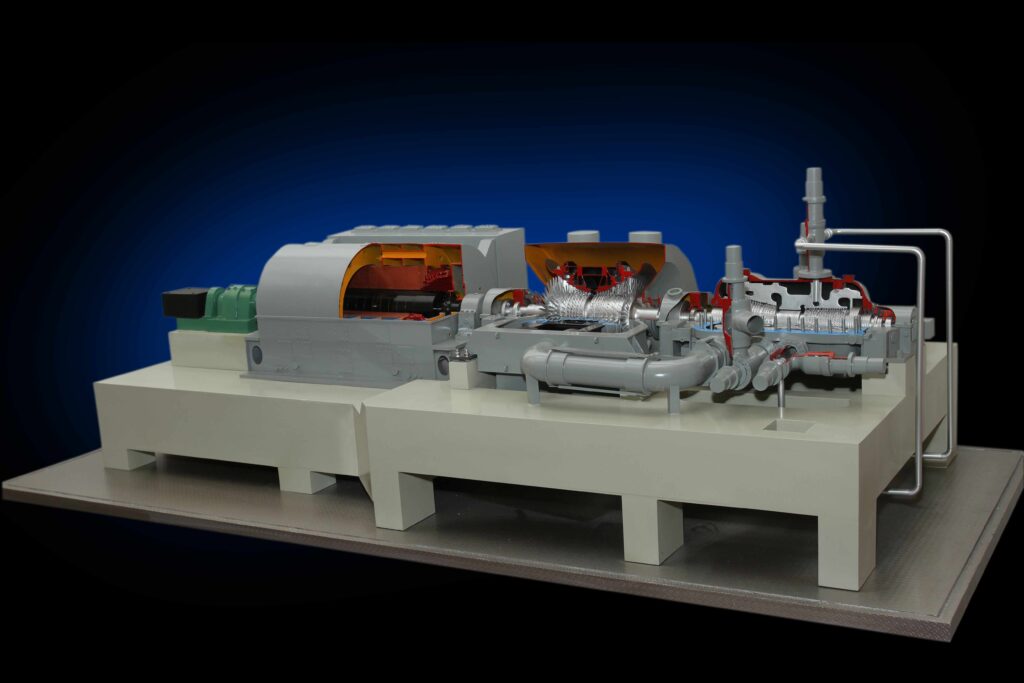
- 1:1 scale engine room models to represent equipment and internal arrangements.
- Ship scale models representing complete vessels.
- Specialised physical models developed for naval training applications.
Such models can help instructors introduce trainees to the layout and arrangement of a ship or its technical spaces in a dedicated training environment.
They offer an opportunity to study physical arrangements and understand spatial relationships without depending exclusively on access to the actual vessel.
Training Models for the Air Force
The same principle of visual and physical learning is relevant to Air Force training.
DAGART Solutions has also undertaken model-making assignments for Air Force training applications.
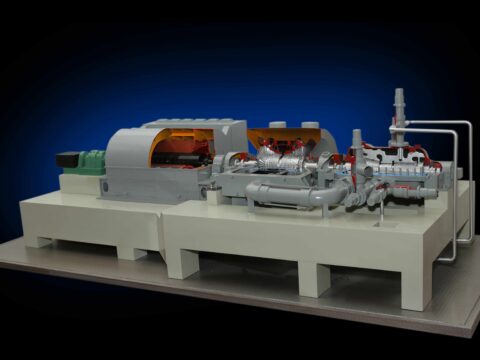
Physical representations of equipment and systems can support instructional demonstrations and help trainees become familiar with technical layouts and configurations.
The design and level of detail of each model depend on its intended training purpose and the information provided for the project.
From Engineering Information to Physical Training Models
Developing a defence training model requires careful attention to the intended application, scale, dimensions, component positioning and level of detail.
Depending on the project, the model-making process may involve:
- Understanding the available technical drawings and reference information.
- Translating engineering details into a physical three-dimensional representation.
- Maintaining the required scale and proportions.
- Representing relevant equipment and internal arrangements.
- Fabrication, assembly and finishing based on the model’s intended use.
The objective is to create a physical model that serves its specified instructional or demonstration purpose.
Supporting Training Through Physical Model Making
Physical models are not a replacement for practical training or access to actual equipment. Rather, they can complement other training methods by providing a visual and tangible reference.
For training institutions, they can offer a dedicated resource for explaining layouts, introducing equipment and conducting demonstrations.
DAGART Solutions: Defence and Engineering Model Making
DAGART Solutions undertakes specialised physical model-making assignments for industrial, engineering and defence-related applications.
Our experience includes ship models, engine room models and other training models developed for Navy and Air Force applications.
By combining engineering understanding with model-making and craftsmanship, we help translate technical information into physical representations designed around specific project requirements.
Looking for custom defence training models?
Contact DAGART Solutions to discuss your requirements for ship models, engine room models and specialised training models.
Frequently Asked Questions
1. What are defence training models?
Defence training models are physical representations of ships, equipment, systems or technical spaces used as visual aids for instructional and demonstration purposes.
2. What types of naval training models can be developed?
Depending on the project requirements, these may include complete ship models, engine room models and representations of specific technical spaces or equipment arrangements.
3. Can training models be developed at 1:1 scale?
Yes. Models can be developed at 1:1 scale when the project requires a full-size physical representation. The appropriate scale depends on the intended application and available space.
4. Does DAGART Solutions make models for the Air Force?
Yes. DAGART Solutions has undertaken model-making assignments for both Navy and Air Force training applications.
5. Can defence training models be customised?
Yes. The scale, dimensions, components and level of detail can be planned according to the intended training or demonstration requirements, subject to the technical information available.
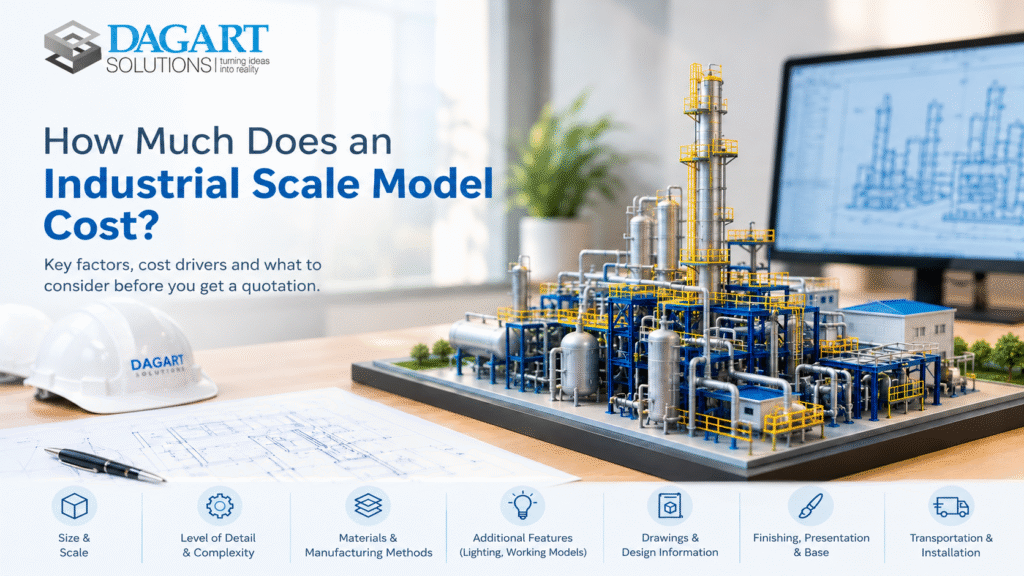
(Image used for illustrative purposes only. Due to Non-Disclosure Agreements (NDAs) and client confidentiality requirements, photographs of actual defence training model projects undertaken by DAGART Solutions cannot be shared publicly. This reference image is intended only to provide a general visual understanding of the type of training models discussed in this article. It does not represent an actual DAGART Solutions project.)