Miniature Training Models vs Theoretical Knowledge with Textbooks Which is Better for Learning?
September 17, 2025
The Unique Purpose of 3D Miniature Models: A Client Story from Sydney
October 2, 2025
Introduction
Scale models are essential in industries like architecture, engineering, defense, and manufacturing. They help visualize ideas, present projects, and simplify complex concepts. But when it comes to creating these models, should you choose 3D printing or traditional handcrafted methods? Let’s explore the differences.
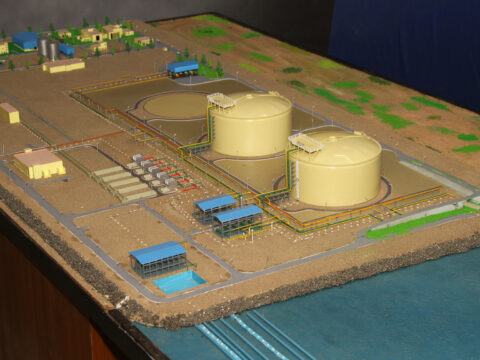
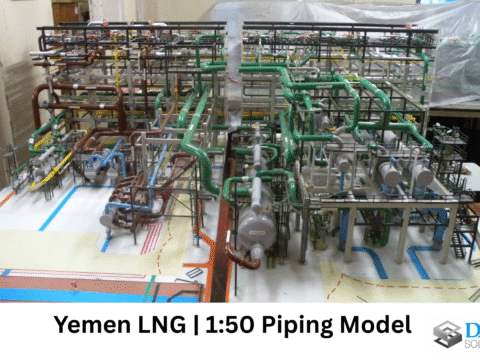
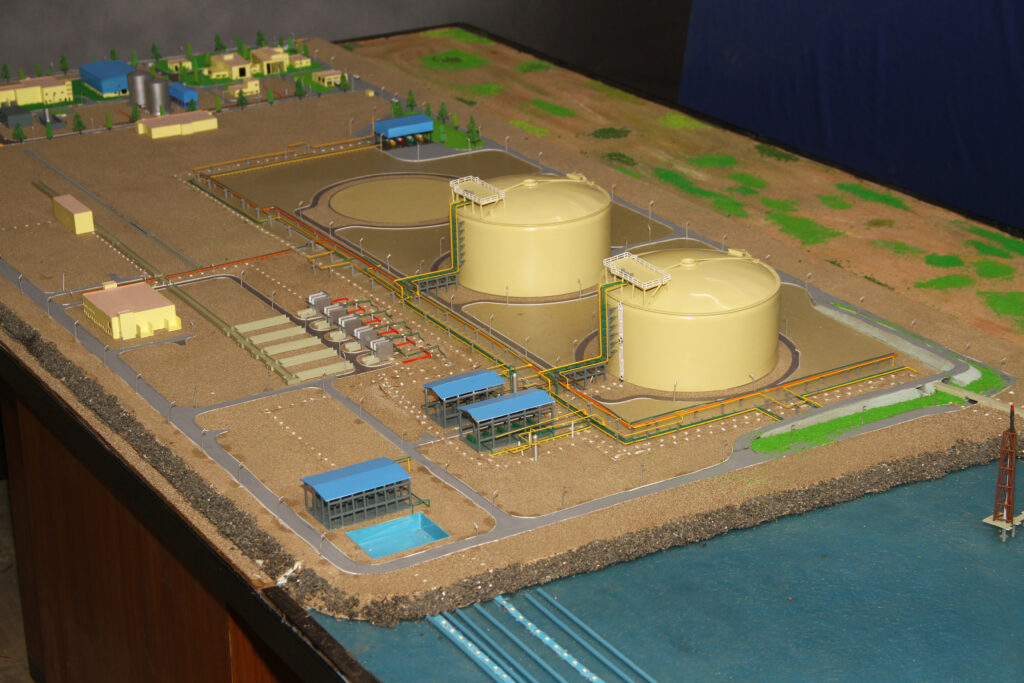
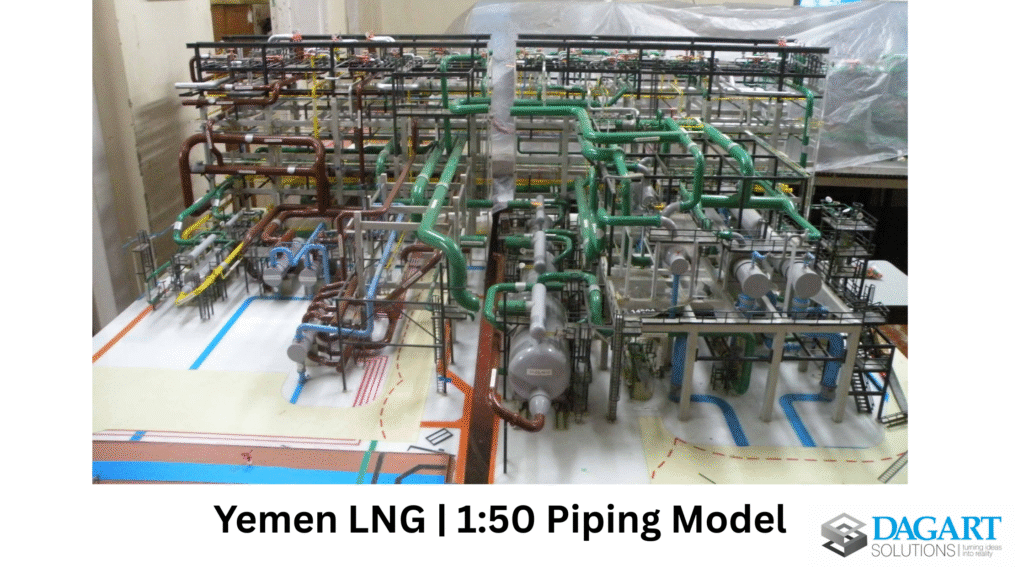
Traditional model making involves skilled artisans working with wood, acrylic, plastic, and metals. These handcrafted models are known for their precision and artistry.
What is Traditional Scale Model Making?
Traditional model making involves skilled artisans working with wood, acrylic, plastic, and metals. These handcrafted models are known for their precision and artistry.
Advantages of Traditional Models
- High Level of Detail – Intricate finishes and textures possible.
- Custom Finishing – Hand-painted and polished for realism.
- Durability – Stronger materials make models long-lasting.
- Premium Appeal – Considered collectible works of art.
Limitations of Traditional Models
- Time-Intensive – Weeks or months required.
- Higher Costs – Labor and materials increase expenses.
- Limited Flexibility – Difficult to revise once completed.
What is 3D Printing in Scale Model Making?
3D printing uses CAD files to create models layer by layer. It’s widely adopted for rapid prototyping and highly accurate miniatures.
Advantages of 3D Printing
- Faster Turnaround – Days instead of weeks.
- High Precision – Accurate scaling with CAD integration.
- Cost-Effective Prototypes – Ideal for single or small-batch models.
- Complex Shapes Possible – Designs that are difficult to handcraft.
Limitations of 3D Printing
- Surface Finish Issues – Requires sanding or painting.
- Material Restrictions – Limited to plastics, resins, and certain metals.
- Lower Durability – May not withstand long-term use.
- Less Artistic Touch – Lacks handcrafted uniqueness.
3D Printing vs Traditional Scale Model Making: Key Comparison
| Feature | 3D Printing | Traditional Models |
|---|---|---|
| Speed | Fast (days) | Slow (weeks/months) |
| Precision | High accuracy | High, but depends on artisan |
| Cost | Lower for prototypes | Higher for detailed projects |
| Durability | Moderate | Strong and long-lasting |
| Customization | Easy with CAD | manual, time-consuming |
| Aesthetic Appeal | Requires post-finishing | Premium handcrafted look |
Which is Better for Your Project?
Choose 3D Printing if you need speed, cost savings, and precision. Choose Traditional Models if you value artistry, durability, and presentation quality. Many companies prefer a hybrid approach: using 3D printing for structural parts and traditional methods for detailed finishing.
Conclusion
Both 3D printing and traditional model making have their strengths. The best choice depends on your project’s goals, budget, and required level of detail.
FAQ about Model Making
1. Is 3D printing more affordable than traditional model making?
A Yes, especially for prototypes or one-off models. Traditional methods can be costlier due to skilled labor and materials.
2. Which method produces more durable models?
A Traditional handcrafted models are generally sturdier and long-lasting.
3. Do 3D-printed models look as realistic as handcrafted ones?
A They can with post-processing, but traditional models often have a more premium, realistic finish.
4. Which industries prefer 3D printing?
A Engineering, product design, and manufacturing prefer 3D printing for rapid prototyping. Architecture and defense often favor traditional models for presentation.
5. Can both methods be combined?
A. Yes. A hybrid approach 3D printing for base structures and traditional finishing for details—offers speed, accuracy, and aesthetics together.