How 3D models can help IOT Industry
December 4, 2020
3D Printing vs Traditional Scale Model Making: Which is Better?
September 24, 2025
In today’s AI-driven world, Miniature Training Models vs Theoretical Knowledge with Textbooks is an important debate in education and professional training. Traditional textbooks often fail to capture attention and promote active learning. Miniature training models, on the other hand, bring complex concepts to life, making them easier to understand and remember. Whether in engineering, defence, medical training, or industrial design, these physical models offer learners a practical experience that theoretical study cannot provide.
1. Learning Through Visualization
- Miniature models provide a 3D perspective, helping learners see structures and processes from every angle.
- Handling models encourages kinaesthetic learning, which improves retention compared to reading theory.
2. Simplification of Complicated Systems
- Textbooks rely on words and 2D diagrams, which cannot give an accurate idea to learners.
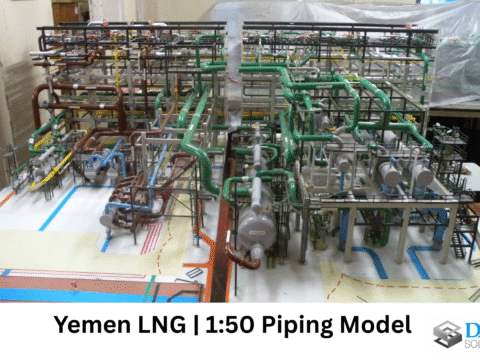
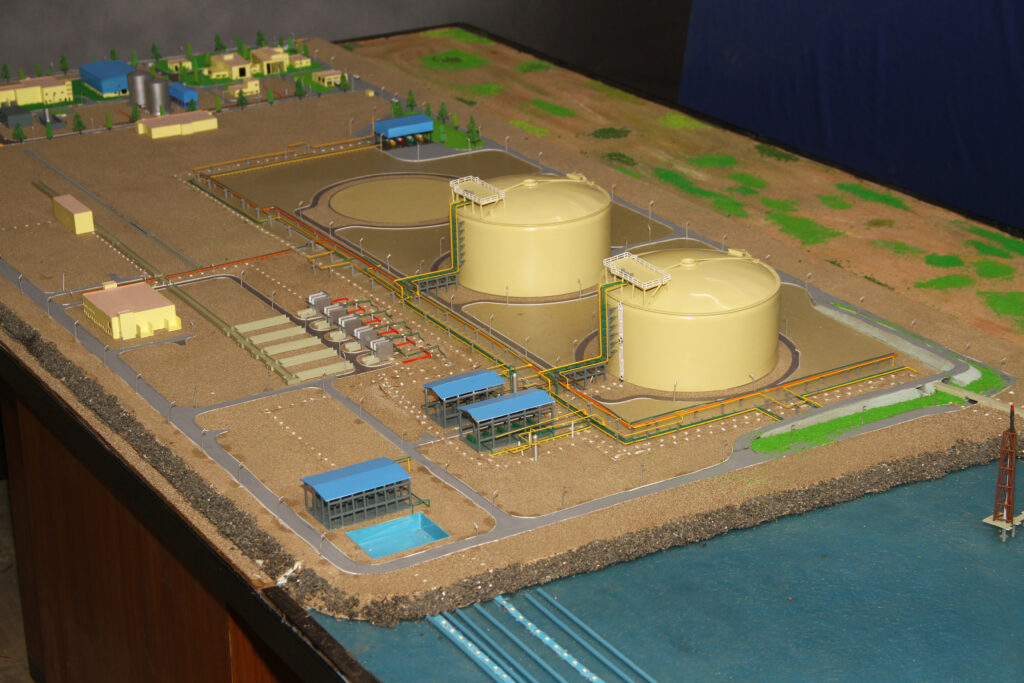
- Models help simplify complicated systems (like machinery, plant layouts, or defense equipment) into scaled-down, easy-to-understand versions.
3. Active Participation
- Learners interact with the model, ask questions, and test scenarios.
- This active participation makes training more engaging compared to passive reading.
4. Practical Application
- Models replicate real-world situations, helping learners bridge the gap between theory and practice.
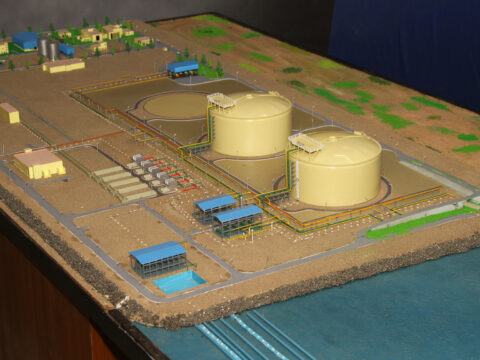
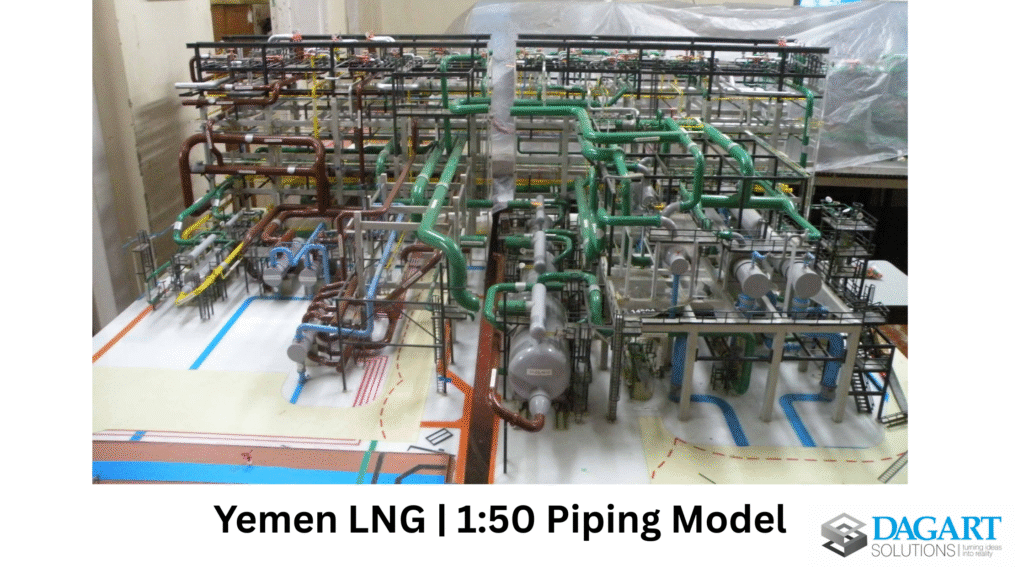
- For example, a miniature power plant model allows engineers-in-training to understand flow systems better than reading about them in a book.
5. Long-Term Knowledge Retention
- Studies show that visual and experiential learning improves memory recall.
- Learners are more likely to remember a hands-on demonstration than a paragraph of text.
6. Adaptability for All Learners
- Models simplify training for beginners while still being detailed enough for advanced learners.
- They can be customized for industries like medical, engineering, architecture, or defence.
Conclusion
Miniature training models are more than just teaching aids; they are powerful learning tools. Unlike textbooks, which often present abstract knowledge, models make learning interactive, visual, and memorable. They not only enhance understanding but also prepare learners for real-world applications. In a world where practical skills matter more than rote learning, miniature models truly stand out as the superior training medium.
FAQs
Q1. Can miniature training models completely replace textbooks?
Not entirely. Textbooks provide detailed theory and background, while models are best for practical understanding. Together, they form a complete training system.
Q2. Which industries benefit the most from miniature training models?
Engineering, defence, medical, architecture, urban planning, and manufacturing industries use them extensively.
Q3. Are miniature models cost-effective?
Yes. While the initial cost may be higher than books, models reduce training time, errors, and rework, making them cost-effective in the long run.
Q4. Do miniature training models work for all types of learners?
Yes. They are especially effective for visual and kinaesthetic learners, but they also complement traditional learners by reinforcing concepts.
Q5. Can these models be customized?
Absolutely. Miniature models can be built to match specific equipment, processes, or training needs of any organization.